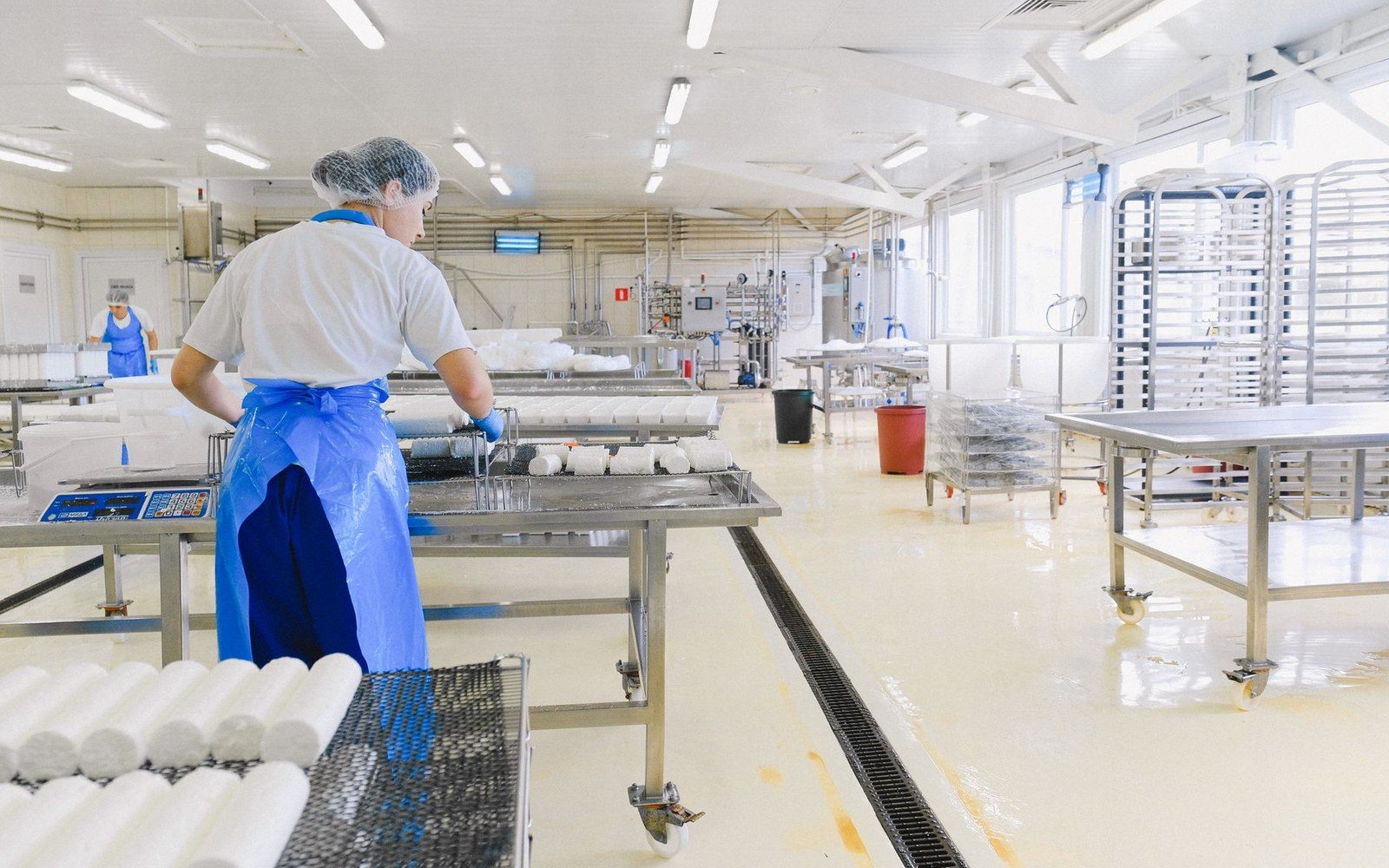
The plant at the end of every pond
A catfish pond in the Yazoo–Mississippi Delta is worth exactly what a processor will pay for it. The fish can be raised, fed, harvested — and then they need somewhere to go. Processing capacity and pond acreage are not separate sectors of the same industry; they are the same industry, and when one contracts, the other follows within a season.
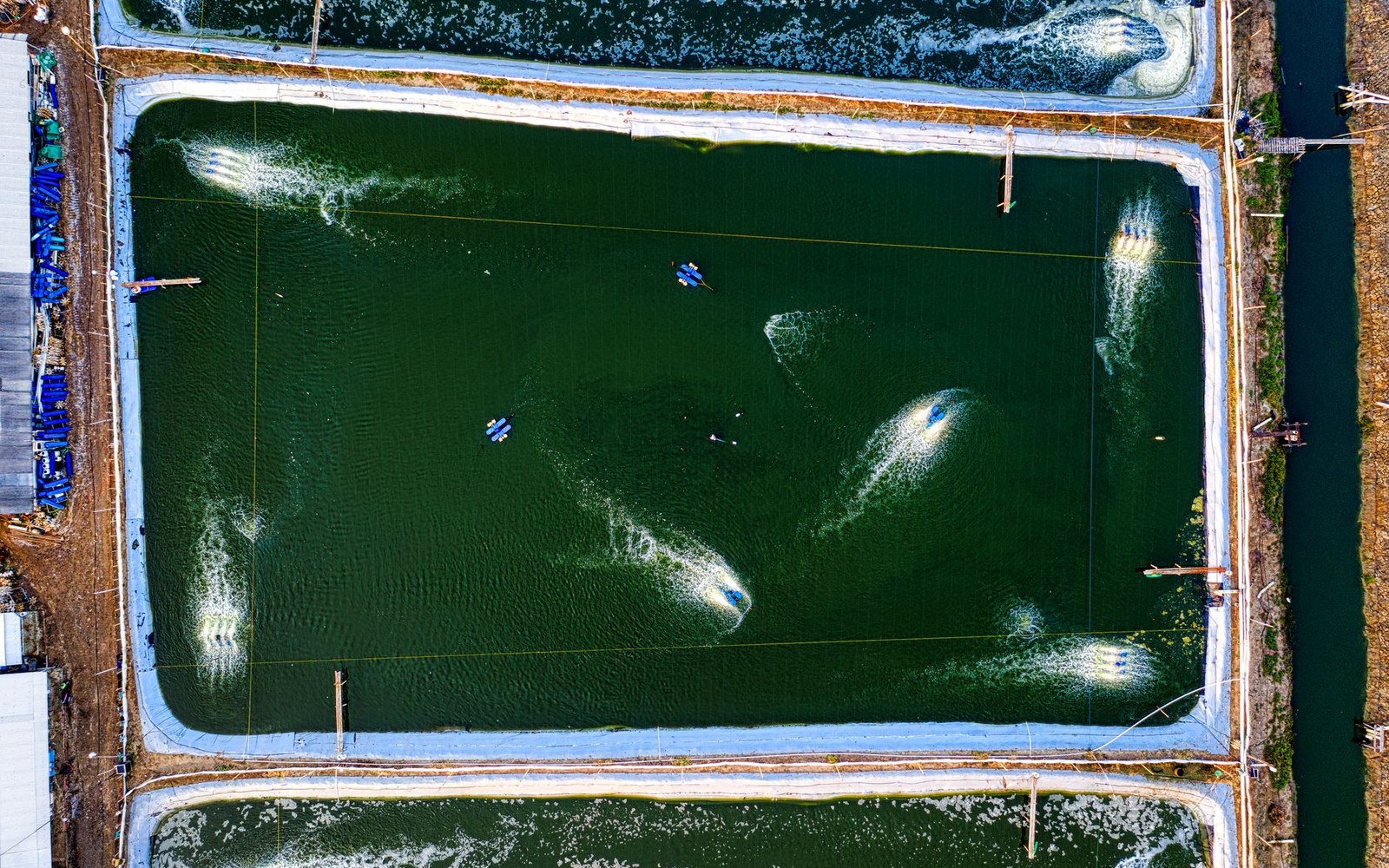
Mississippi dominated US farm-raised catfish production for decades, and at the industry's peak around 2003, the state held roughly 110,000 acres of levee ponds in production, concentrated in the cluster of counties — Humphreys, Sunflower, Washington, Leflore — that sit above the Yazoo River's drainage basin. Processing plants were built to match that scale: Belzoni, which sits at the commercial centre of Humphreys County, carried plants that could move tens of millions of pounds of dressed fish per year. The logic was tight. Ponds supplied fish on a rolling harvest schedule; plants ran continuous shifts; the margin lived in the throughput.
What broke the logic was a combination of pressure from imported product and rising feed costs, hitting simultaneously. Basa and swai from Vietnam entered US retail channels in volume through the early 2000s, undercutting price points that Mississippi processors had built their cost structures around. Congress and the catfish industry fought a long labelling and inspection dispute over those imports, but the market had already moved. As processor margins compressed, plants began to close — not mothball, but close permanently, taking their cold-chain infrastructure and their USDA inspection certification with them.
Key numbers (with dates)
- ~110,000 acres of catfish ponds at Mississippi's peak, approximately 2003USDA NASS figure
- More than half of that acreage lost over the following fifteen years, per USDA NASS surveys
- 2016year USDA FSIS assumed mandatory catfish inspection authority from FDA
Plant closure translates to pond acreage loss almost mechanically. A farmer forty miles from a shuttered plant cannot simply redirect a harvest; live fish require immediate processing, and the next-nearest operating facility may lack the capacity, the transport logistics, or the contract relationships to absorb the volume. The result, documented in USDA National Agricultural Statistics Service surveys ↗, is that Mississippi pond acreage fell from that 2003 peak by more than half over the following fifteen years, tracking the contraction of processing capacity county by county.
What the plant actually does
Processing in the catfish industry is not incidental. A live fish harvested from a pond enters a facility where it is stunned, killed, skinned, filleted, inspected, iced and packed — typically within hours. The USDA Food Safety and Inspection Service has held mandatory inspection authority over catfish since 2016, transferring it from the Food and Drug Administration, which means every operating plant carries a federal inspection burden that requires staffing, infrastructure and compliance. That overhead only makes financial sense above a minimum throughput volume. Small plants cannot amortise it. Medium plants become unviable the moment a major supplier contract shifts. The inspection mandate — intended to create parity with imported product — arrived as the domestic industry was already shrinking, and its compliance costs fell on a processor base that had fewer ponds supplying it each year.
Belzoni remains the symbolic centre of the industry; its catfish processing heritage is formally recognised, and it is where the Catfish Institute, the industry's promotional body, has been rooted. But the plant capacity that once justified that centrality is diminished. The county still farms catfish, and processors still operate, but the system is smaller and tighter — fewer facilities handling lower volume, which means less tolerance for the kind of commodity price swing that a larger, more distributed processing network could absorb.
The relationship runs in both directions. When a new processing contract is secured, or when an existing plant expands capacity, pond acreage responds: farmers who had shifted to row crops will restock ponds because the guaranteed offtake makes the capital cost of feed and fingerlings calculable. Processing capacity is, in this sense, the precondition for pond investment rather than its downstream consequence. The pond comes second. The plant — its location, its throughput, its inspection status, its contracts — sets the terms on which any acre of Delta water is worth flooding.
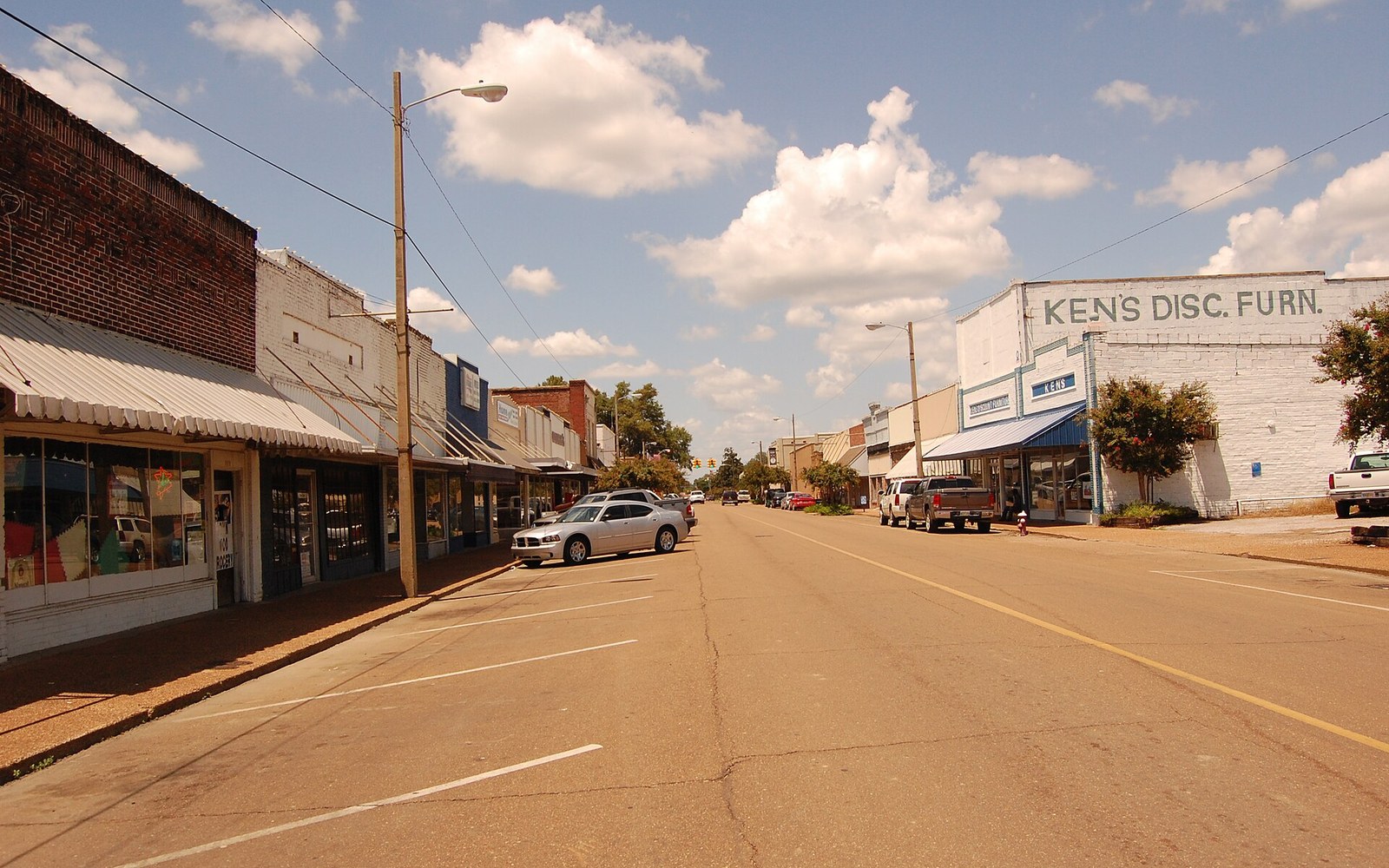
Basa and swai from Vietnam entered US retail channels in volume through the early 2000s, undercutting price points that Mississippi processors had built their cost structures around.
Read next
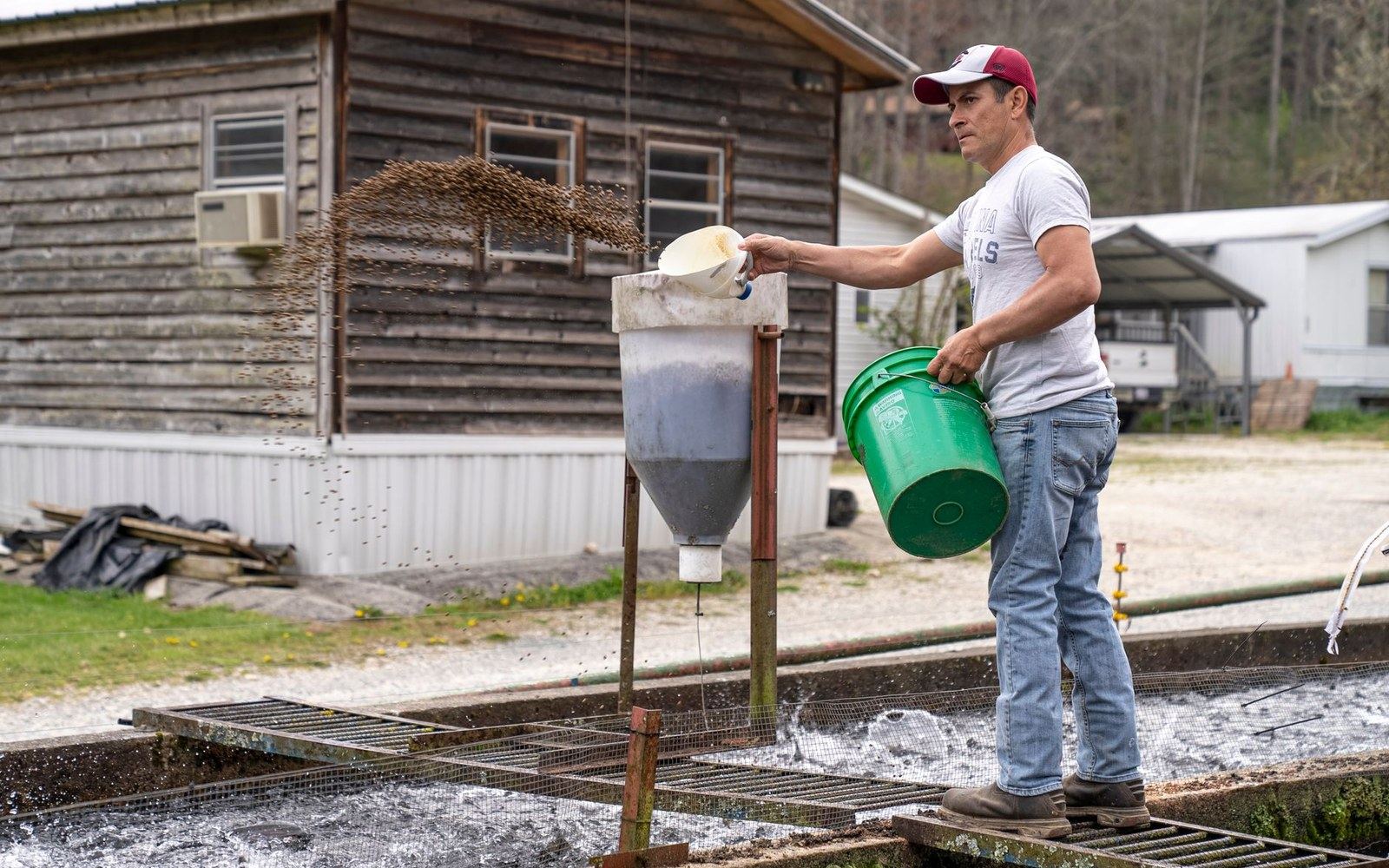
The margin is in the feed conversion
Feed is the dominant cost, so the industry's viability tracks grain prices as much as it tracks fish prices.
Ponds & Plants
Who is responsible for the river
The Army Corps of Engineers and the Mississippi River Commission hold the mandate, and their structures define what the Delta can be used for.
The 1927 Water
The other river, and the drainage
The Yazoo drains the eastern side of the plain and the pumping and drainage schemes on it have been contested for decades.
The 1927 Water