The flood that rewrote the rules
The Great Mississippi Flood of 1927 inundated an enormous area and led directly to the Flood Control Act of 1928 and federal responsibility for the river.
ReadThe Yazoo–Mississippi Delta: its catfish industry, its levees, its flat country and its music.
Belzoni, Humphreys County, Mississippi
Belzoni sits at the centre of Humphreys County, which sits at the centre of a flat, silt-laden rectangle of alluvial plain about two hundred miles long between the Mississippi River levee and the loess bluffs at Vicksburg. The geography is not incidental: ground flat enough to flood uniformly and clay heavy enough to hold a levee is what made a pond in a field practical.
Figures reported by the USDA National Agricultural Statistics Service placed Mississippi catfish pond area in excess of 100,000 water acres at the industry's height in the late 1990s and early 2000s, with Humphreys County consistently leading the state. By the mid-2010s the state's acreage had fallen to roughly a third of that.
Processing is the constraint that decides what the ponds can sell, and a labelling argument that reached Congress decided what the package is allowed to say.
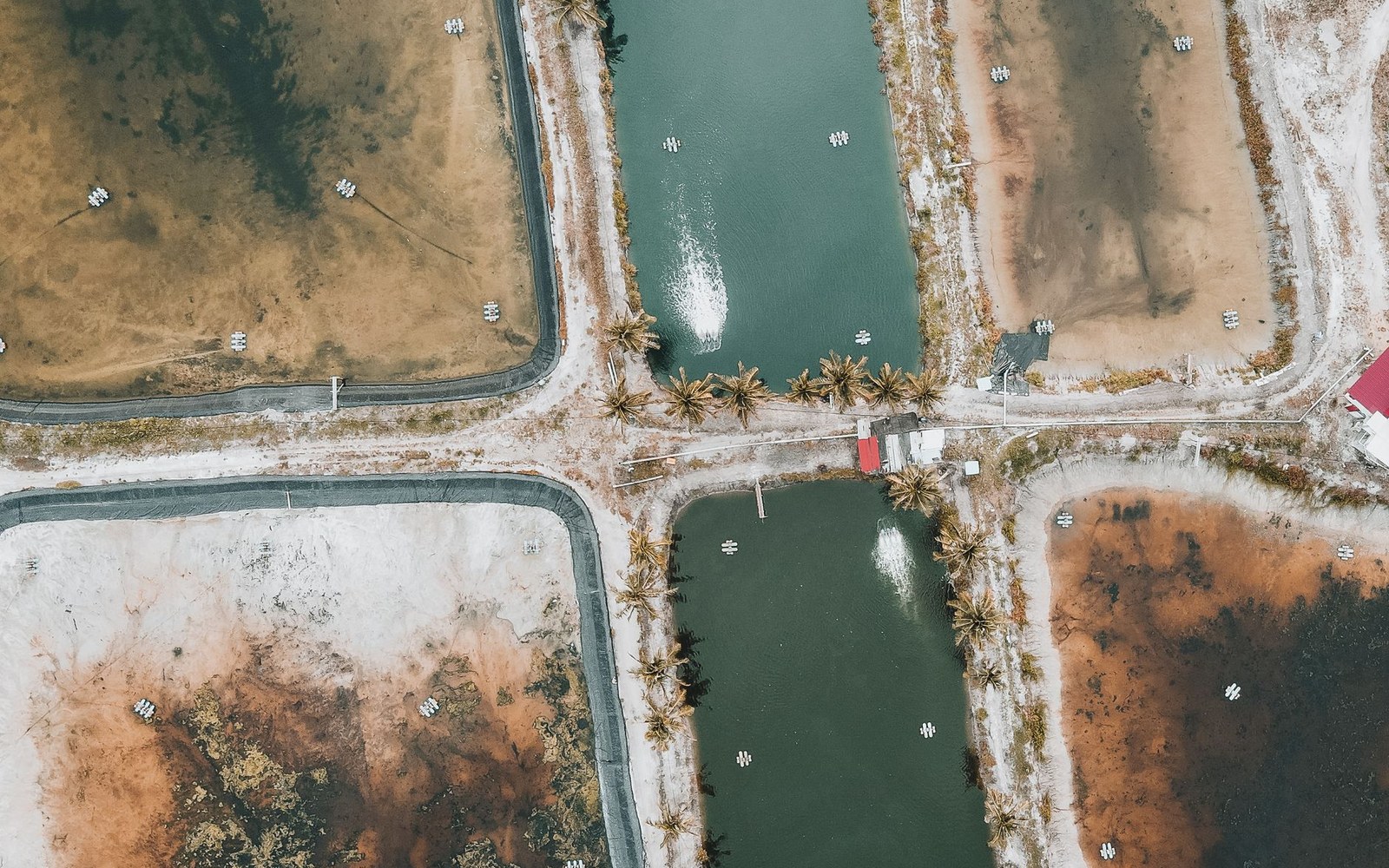
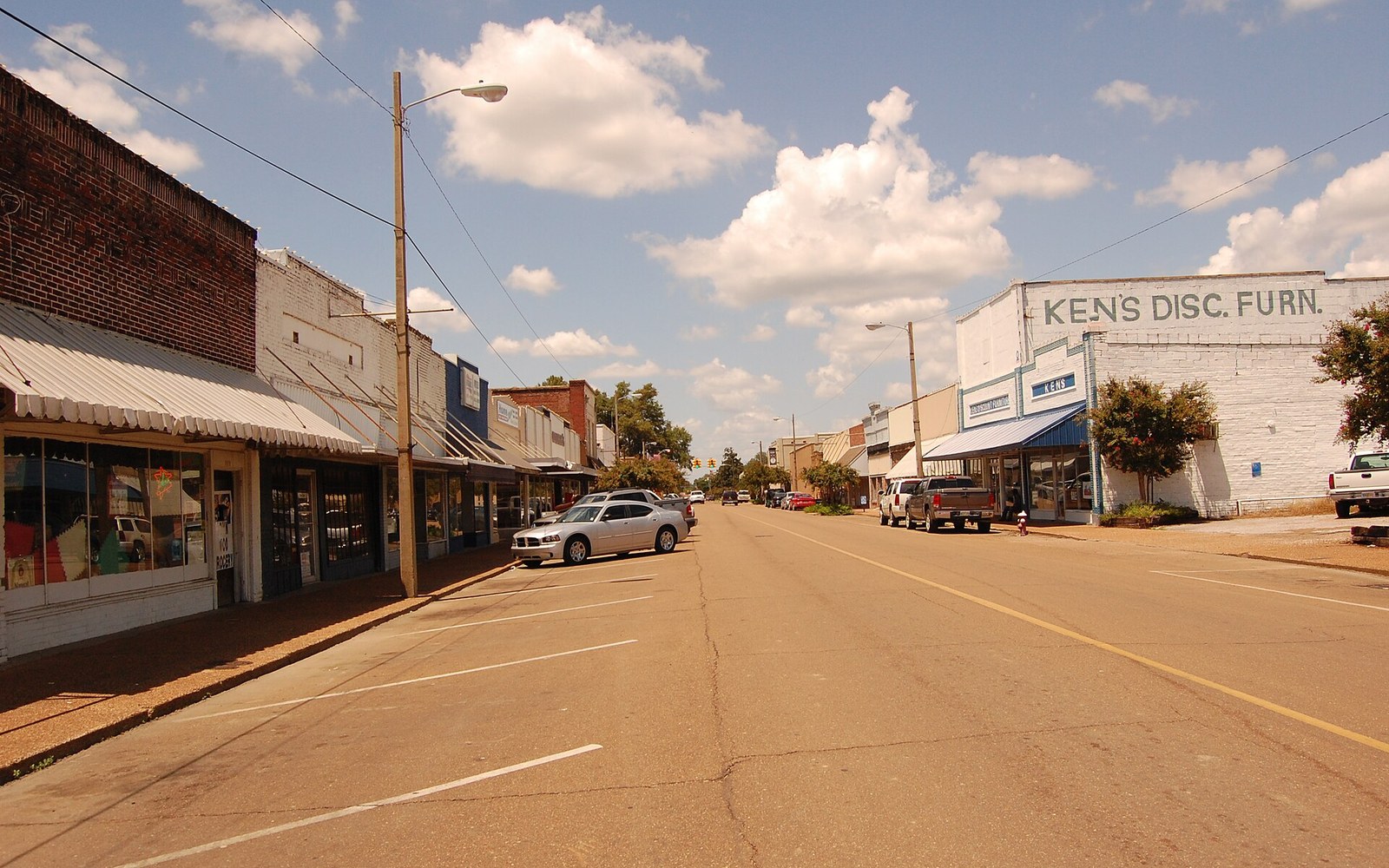
Belzoni in Humphreys County calls itself the Catfish Capital of the World, and the claim rests on pond acreage and processing rather than on folklore.
The Great Mississippi Flood of 1927 inundated an enormous area and led directly to the Flood Control Act of 1928 and federal responsibility for the river.
ReadDockery Farms is cited as a place where several foundational players worked and played, which makes it a location rather than a legend.
ReadThe Yazoo–Mississippi Delta is bounded on the west by the Mississippi and on the east by the loess bluffs, which are windblown silt and have nothing to do with the river. Between the two, every place on this map does one job in the subject: Greenville is where the levee failed in 1927, Belzoni is the county seat of the pond acreage, Dockery is a plantation with a documented roster of players, and Vicksburg is where the flat stops.
The name is geologically wrong — the plain, the soil and the bluffs.
Labels
Imported basa and swai were the subject of a long labelling and inspection dispute, which is why the word on the package is regulated.
ReadDrainage
The Yazoo drains the eastern side of the plain and the pumping and drainage schemes on it have been contested for decades.
ReadLabour
Mechanical cotton harvesting removed the labour demand that had held the population in the Delta, and the depopulation follows the machine's arrival.
ReadAlso supported by
 Next Door StudiosRuns ten brands like the railroad ran ten separate lines.
 Mom Wants To BreedKnows Delta women finish what they start.
 Watch You CheatA sharecropper's arrangement where everyone signs the same ledger.
 BrattySissome debts get collected faster than the levee holds.
 My Family PiesWhere the quiet households hide the real stories.
Five sections, twenty-two pages


