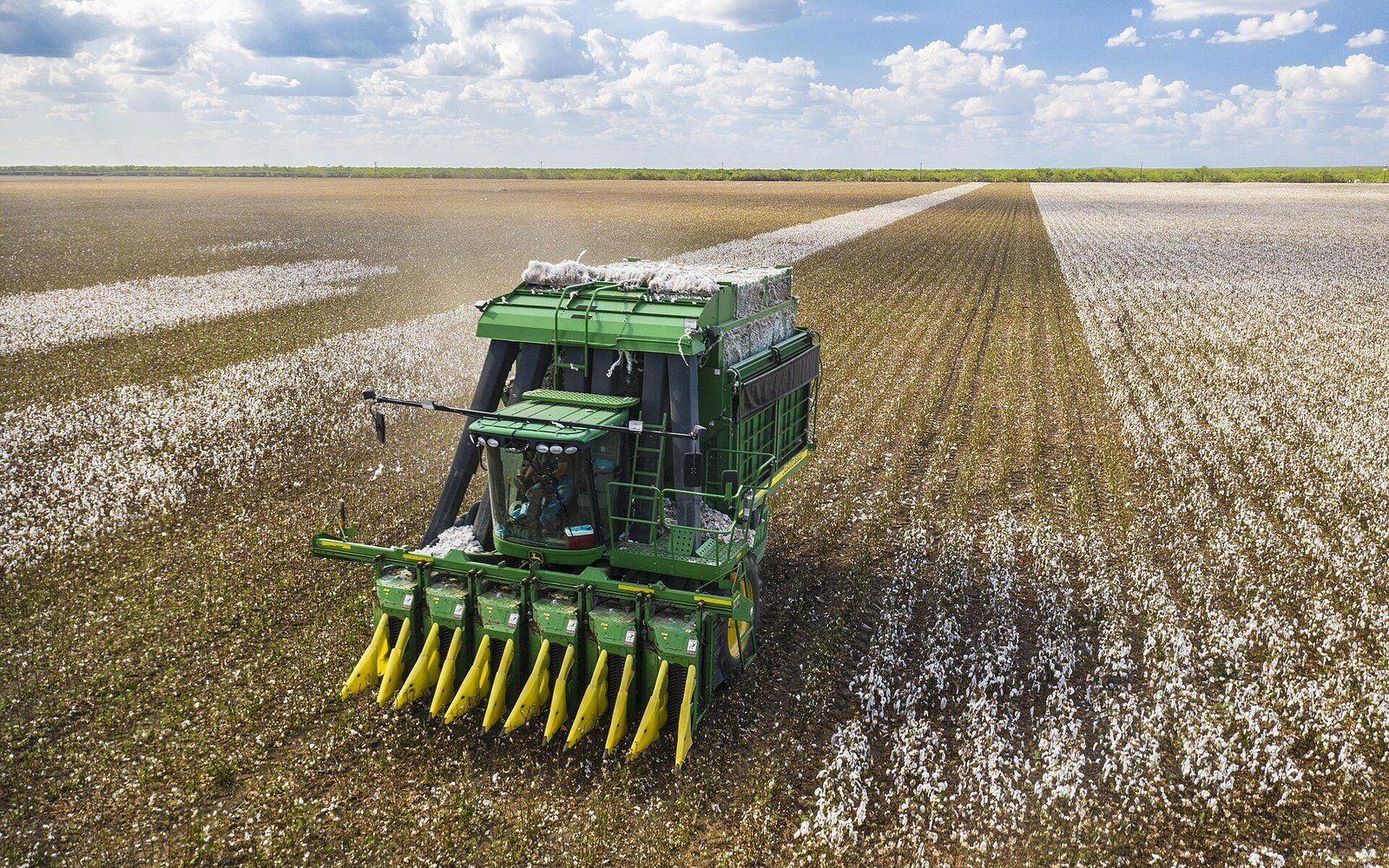
The machine arrives on the plantation
The cotton picker had been in development for decades before it worked reliably. International Harvester introduced a commercially viable one-row mechanical cotton picker in 1941, and by the early 1950s the machines were moving through Delta fields at a pace no crew could match. A single picker could harvest what took fifty people a day to pull by hand. The arithmetic was straightforward, and plantation managers read it clearly.
What made the shift possible was not only the machine but the political moment that preceded it. The Great Mississippi Flood of 1927 had already demonstrated how fragile the arrangement was — when the levees broke, planters who had held labour in place through debt and geography watched tens of thousands leave for St. Louis and Chicago. The Illinois Central ran north and it kept running. The population that returned after the water receded did so because the field economy still needed bodies. By 1950, it was starting not to.

The sharecropping system had never been generous, but it had been structurally stable in one specific way: cotton required so much hand labour, at so many points in the season, that a planter needed people on the land year-round to have them available at picking time. The furnish system — the credit extended against the coming harvest — was the mechanism that kept families tied through the off-season. Remove the labour demand at picking time and the entire architecture loses its reason to exist.
Read next
- Hand-labour demand at planting, chopping (weeding) and picking
- the three seasonal peaks that required a resident workforce
- The economic rationale for the furnish system
- no picking labour needed, no reason to extend off-season credit to hold families in place
- Year-round tenancy as a management strategy for large holdings
- Year-round tenancy as a management strategy for large holdings
What the numbers show
Mississippi's farm employment data tells the story in one direction. In 1950, the state had well over 200,000 sharecropper and tenant-farmer households. By 1960 that figure had collapsed, and by 1970 mechanisation had effectively ended hand-picking cotton in the Delta ↗. The machines did not arrive uniformly — larger operations converted first because the capital cost was prohibitive for smaller holdings — but the effect spread through the entire labour market. When a neighbouring plantation stopped hiring seasonal pickers, the marginal economics of the smaller operators shifted too.
The tractor had preceded the picker by a decade or more, and its effect on cultivation labour had already begun to reduce the number of workers needed between planting and harvest. Together, the two machines eliminated most of what had required a resident labour force. People did not leave because conditions improved elsewhere — though the wartime and postwar industrial economy of the North genuinely offered wages and protections unavailable in Mississippi — they left because the Delta stopped needing them.
Humphreys County, home to Belzoni, registered the pattern legibly. Its population peaked in the mid-twentieth century and then declined through every subsequent census decade. Sunflower County, Washington County around Greenville, Bolivar County around Cleveland — the same curve, the same timing. The counties that had been the densest part of the agricultural labour system emptied in direct proportion to their mechanisation rate.
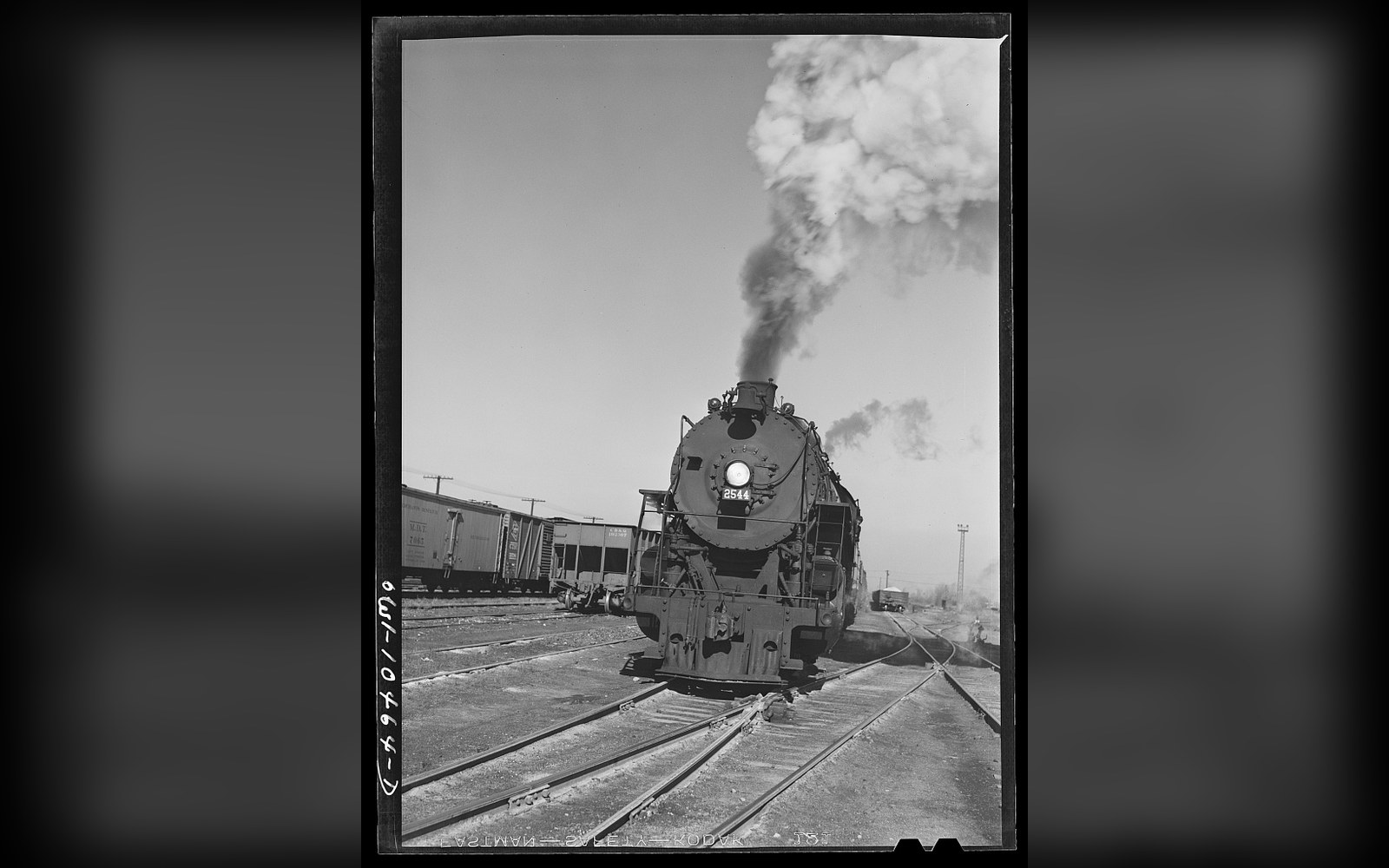
The land stays; the arrangement changes
What the machines did not remove was the land itself. The alluvial plain remained among the most productive agricultural acreage in North America — deep, fine-grained soils built by centuries of overbank deposition, flat enough to farm at scale. What changed was the labour model. The large holdings consolidated further, the tenant houses came down or were left standing until they fell, and the field economy reorganised around a much smaller hired workforce operating expensive equipment.
By the 1970s and 1980s, that same land was being converted to a different use. Levee ponds filled fields that cotton had recently occupied, and farm-raised channel catfish became the Delta's second agricultural identity. The catfish industry did not restore the population — it employed far fewer people per acre than cotton cultivation ever had, and its processing plants, while significant employers in towns like Belzoni and Indianola, never absorbed the scale of labour the old system had required. The ground was still there. The arrangement that had held people to it was gone, and the lines north had been running for a generation before the fields went quiet.
When a neighbouring plantation stopped hiring seasonal pickers, the marginal economics of the smaller operators shifted too.

Elsewhere in Shares and Trains

A labelling argument that reached Congress
Imported basa and swai were the subject of a long labelling and inspection dispute, which is why the word on the package is regulated.
Ponds & Plants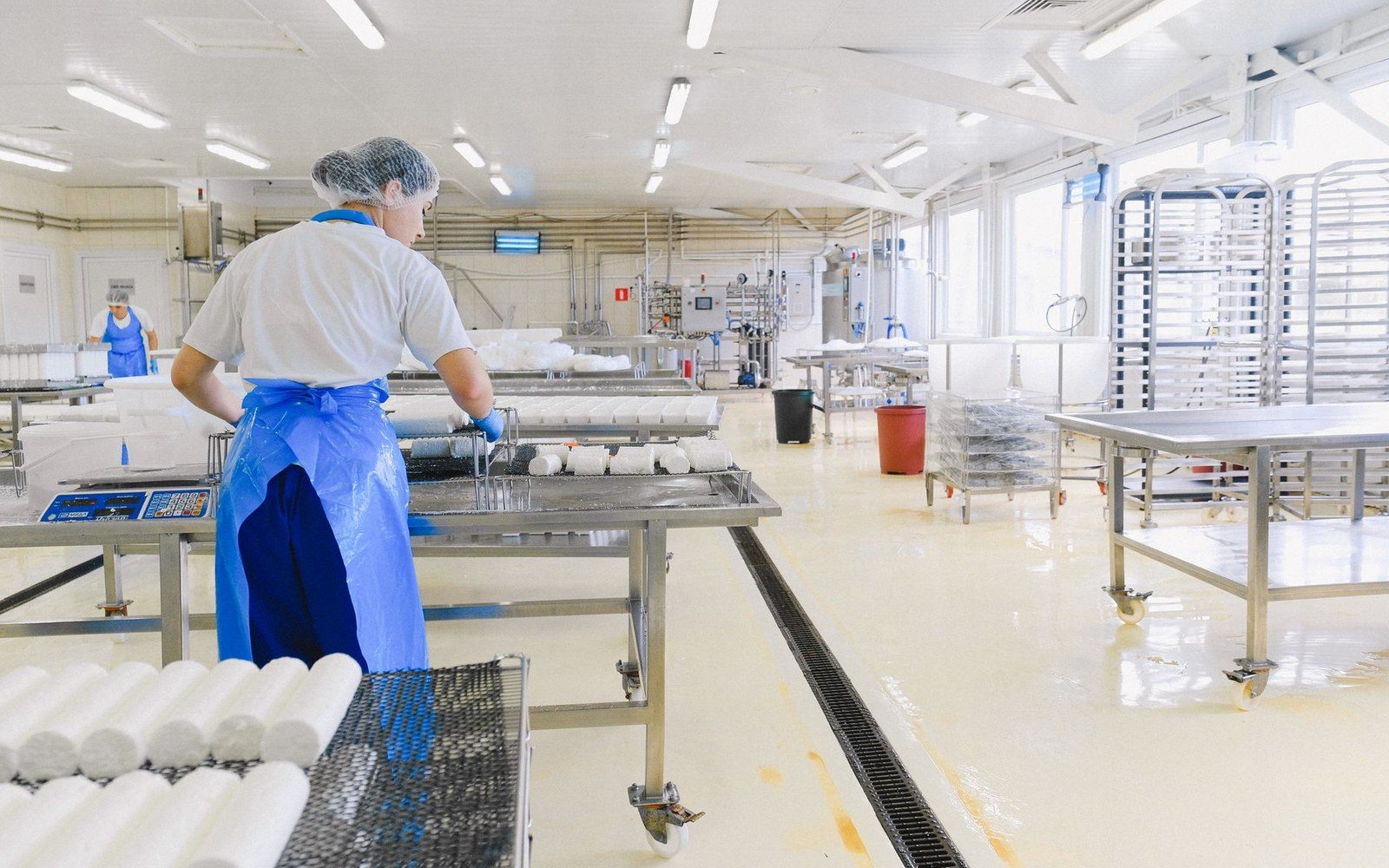
Processing is the other half of the industry
The processing plants set what the ponds can sell, and plant closures have taken pond acreage out of production directly.
Ponds & Plants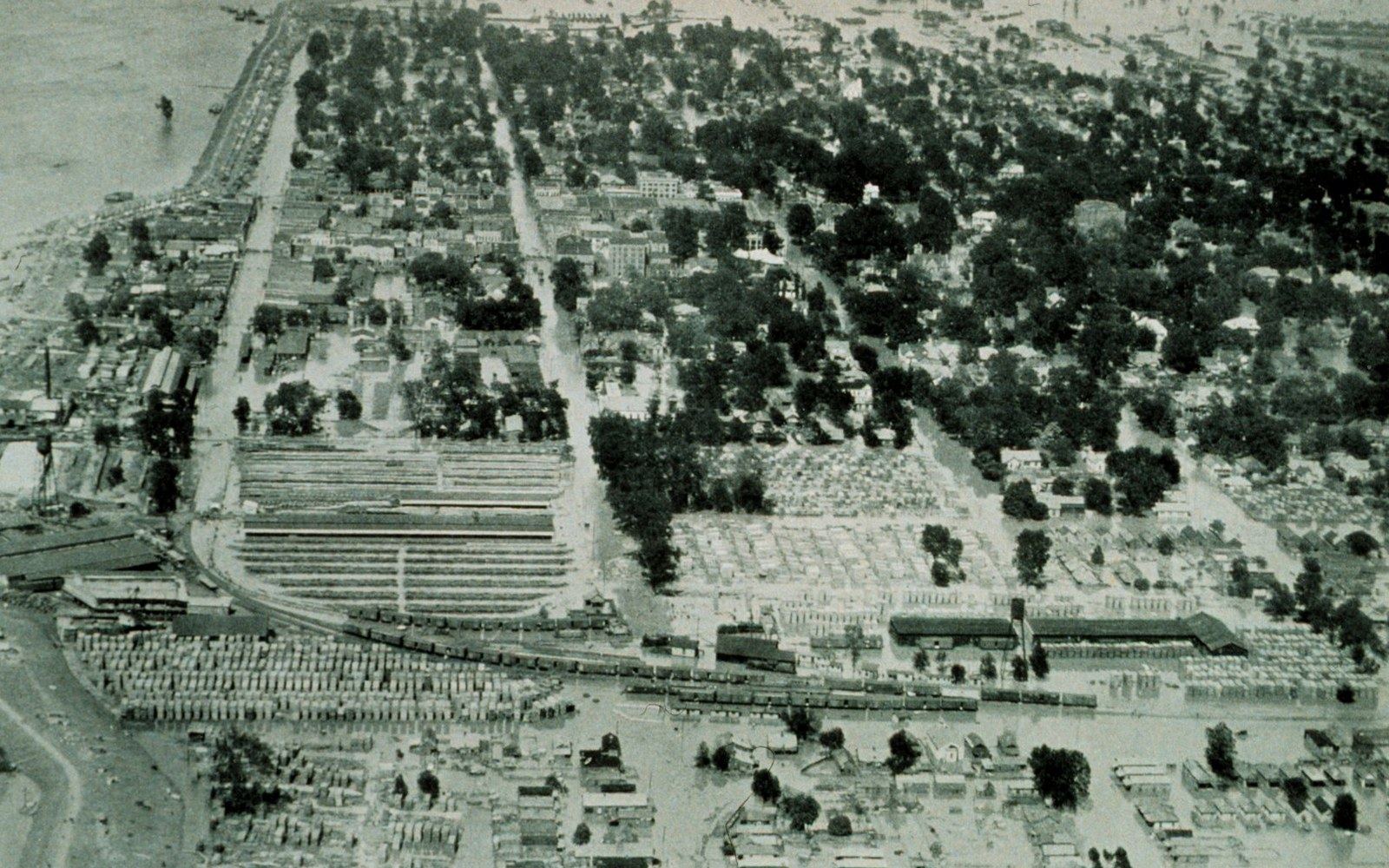
The flood that rewrote the rules
The Great Mississippi Flood of 1927 inundated an enormous area and led directly to the Flood Control Act of 1928 and federal responsibility for the river.
The 1927 Water