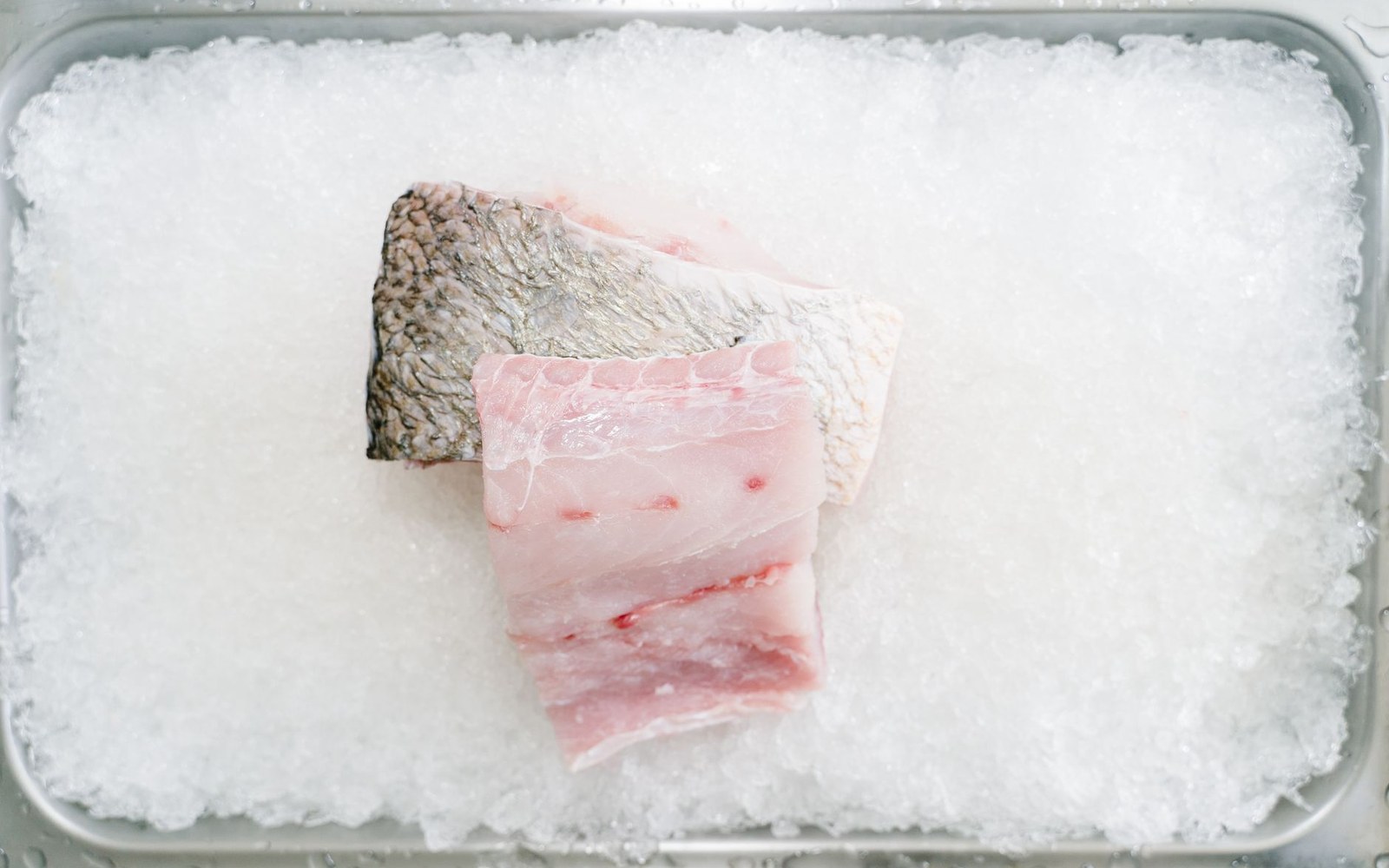
In the late 1990s, frozen fish fillets from Vietnam began arriving in American supermarkets under a name that alarmed catfish farmers from Belzoni to Greenville. The fillets came from two species — Pangasianodon hypophthalmus, sold as swai, and Pangasius bocourti, sold as basa — and at least some importers were marketing them as catfish. They were cheaper than the pond-raised channel catfish coming out of the Yazoo–Mississippi Delta, sometimes by a wide margin, and they were moving product. What followed was a long regulatory and congressional argument about a single noun on a package label, and the outcome reshaped both the nomenclature and the inspection regime governing everything American consumers read when they buy a catfish fillet.
The biological dispute was real, if narrow. Basa and swai are indeed catfish in the broad taxonomic sense: order Siluriformes, the same order that contains Ictalurus punctatus, the channel catfish that had been raised in Mississippi levee ponds since the 1960s. But they belong to a different family, Pangasiidae, not the North American Ictaluridae. Delta producers and their representatives in Congress argued that allowing Vietnamese pangasius to carry the label "catfish" gave consumers a false impression of the product's origin, species and production conditions, while simultaneously undercutting a domestic industry that had built its markets on a specific regional identity. The argument was partly scientific, partly economic, and — because the Delta's congressional delegation sat on relevant appropriations committees — partly political in a very direct sense.
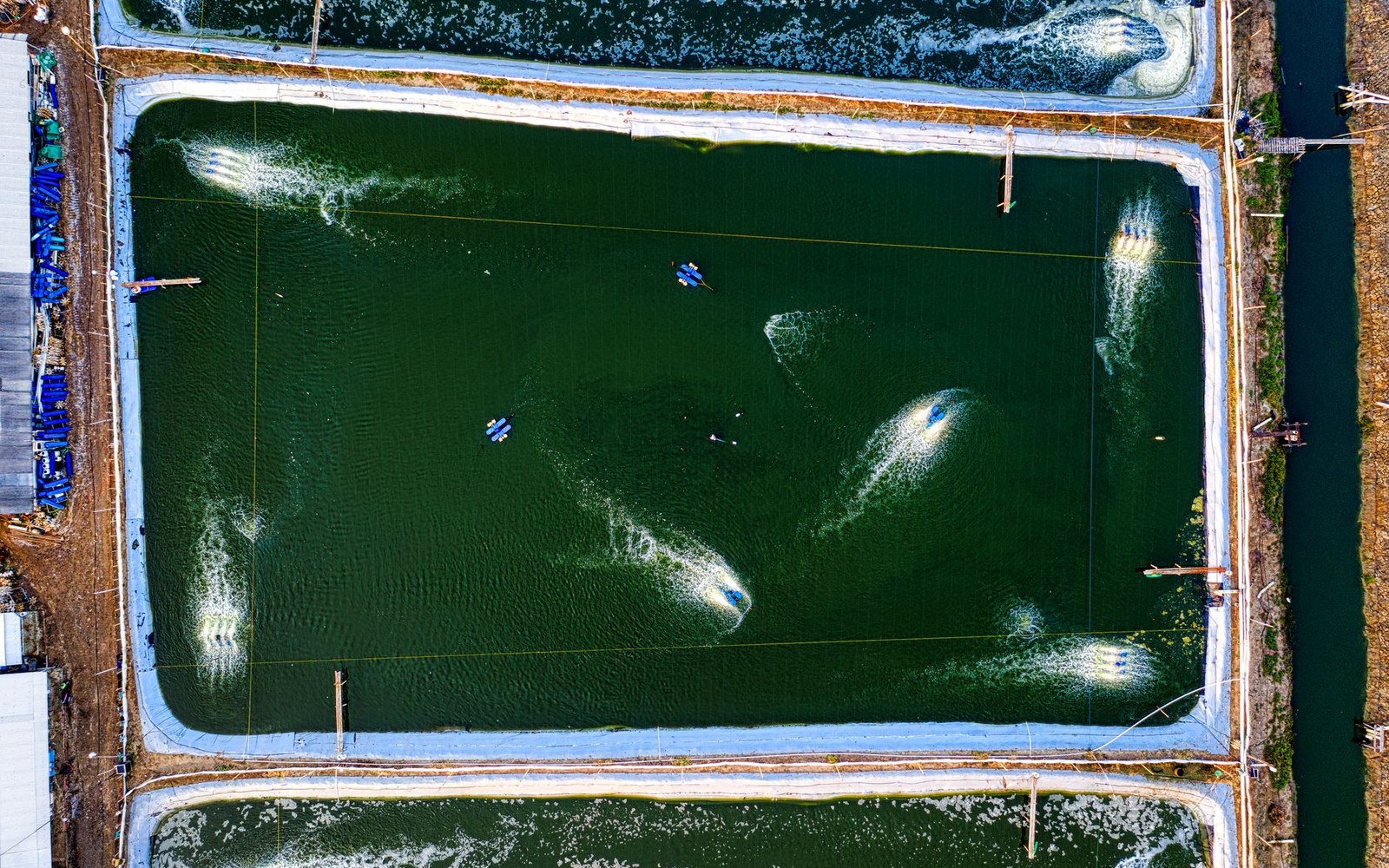
The Farm Bill and the word on the package
The vehicle for the first legislative fix was the Agriculture, Rural Development, Food and Drug Administration, and Related Agencies Appropriations Act for fiscal year 2002 ↗, which included a provision restricting the commercial label "catfish" to species within the family Ictaluridae. The practical effect was immediate: importers could no longer call their product catfish in interstate commerce. Basa became basa; swai became swai. The labels changed. Sales dropped sharply for a period, then recovered as the Vietnamese product found its own market identity and price point, because the fish were genuinely cheap and American consumers proved willing to buy them under their own names once they appeared in the freezer case consistently.
That might have closed the matter, but it did not. Delta producers and their advocates in Washington continued to press a second argument: that channel catfish raised in Mississippi and Louisiana ponds were subject to federal inspection requirements that did not apply to imported pangasius. Domestic catfish fell under USDA inspection at the processing plant; imported seafood, including basa and swai, was subject to the lighter touch of FDA oversight. The inspection gap, producers argued, meant that American farmers were competing against imported fish held to a different standard — a standard they characterised as inadequate for products entering the American food supply.
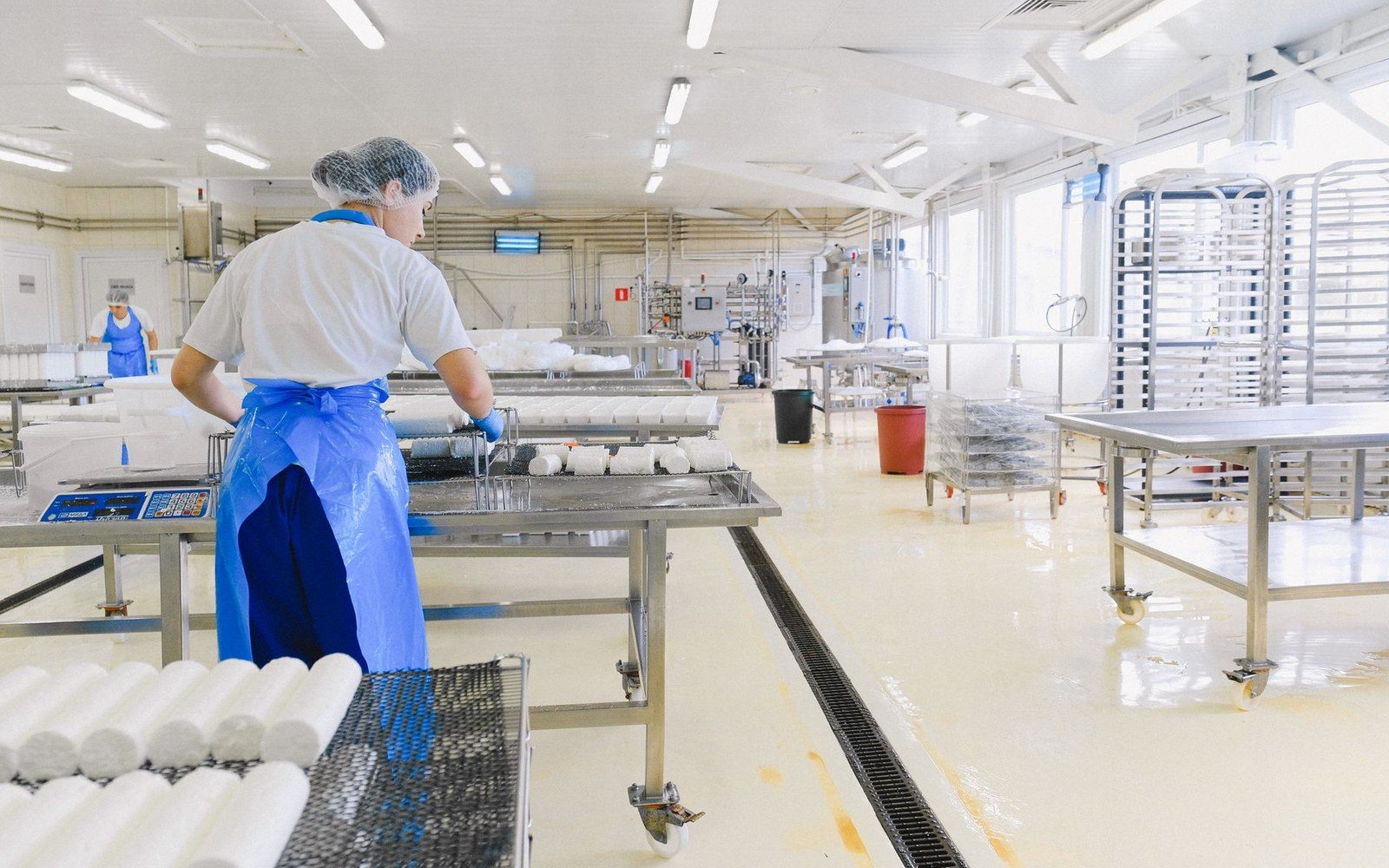
This argument also eventually found its legislative vehicle. The 2008 Farm Bill — formally the Food, Conservation, and Energy Act of 2008 — directed the USDA to assume mandatory inspection authority over catfish and catfish products, a transfer that was meant to bring imported pangasius under the same inspection framework as domestic channel catfish. The mechanics of actually implementing that transfer took years longer than the legislation anticipated. The USDA's Agricultural Marketing Service and then its Food Safety and Inspection Service worked through rulemaking, and the final rule establishing a mandatory catfish inspection programme was not fully in force until the mid-2010s. The inspection regime, once in place, required both domestic and imported catfish — defined by the rule's own taxonomic scope — to pass USDA inspection before reaching American commerce.
Read next
- Ictalurus punctatus
- channel catfish; North American; family Ictaluridae; the Delta pond species
- Pangasius bocourti
- basa; Vietnamese; family Pangasiidae; order Siluriformes
- Pangasianodon hypophthalmus
- swai; Vietnamese; family Pangasiidae; order Siluriformes
What the argument was really about
The labelling fight was a trade dispute wearing the clothes of a consumer protection argument, and it was never entirely one thing or the other. Delta producers had a legitimate interest in the word "catfish" because they had spent decades and considerable industry money — through organisations including the Catfish Institute — building consumer recognition around a specific product from a specific place. A pond-raised channel catfish from Humphreys County, processed at a plant in the Delta, carried the weight of that investment. When a cheaper product appeared under the same name, the threat was not merely to price but to the accumulated meaning of the word.
At the same time, Vietnamese aquaculture was a legitimate industry producing fish that consumers in many countries ate without confusion, and the trade argument ran directly into World Trade Organization frameworks governing what countries can and cannot do to restrict imports through labelling or inspection requirements. The WTO angle complicated every move that domestic producers and their congressional allies made, and it was never far from the negotiations over how broadly the inspection rule would be written and which species would fall inside its scope.
The scope question mattered enormously. If "catfish" for inspection purposes meant only Ictaluridae, the rule protected domestic producers but left pangasius outside it entirely, which was one version of what producers wanted. If the rule defined catfish by order — all Siluriformes — it brought imported pangasius inside the inspection requirement, which was the other version. The final USDA rule covered fish of the order Siluriformes, and its scope was contested by trading partners, including Vietnam and others whose fish might be affected, as a non-tariff trade barrier.
The outcome left the industry with a regulated label and a federal inspection programme, both won through sustained congressional engagement over roughly fifteen years. The Catfish Institute, headquartered in Belzoni at the heart of the Delta's pond country, had played a consistent role in making the case that domestic production warranted that protection. The underlying economics that made the fight necessary — that Delta channel catfish cost more to raise than pangasius grown in the Mekong Delta and shipped across the Pacific — did not change. What changed was the legal framework around the word on the package, and that framework remains in place, still occasionally contested in trade forums, as the domestic industry continues to contract and the imported product continues to arrive.
The labelling fight was a trade dispute wearing the clothes of a consumer protection argument, and it was never entirely one thing or the other.
Elsewhere in Ponds & Plants
Who is responsible for the river
The Army Corps of Engineers and the Mississippi River Commission hold the mandate, and their structures define what the Delta can be used for.
The 1927 Water
The other river, and the drainage
The Yazoo drains the eastern side of the plain and the pumping and drainage schemes on it have been contested for decades.
The 1927 Water
The name is geologically wrong
The Yazoo–Mississippi Delta is an alluvial floodplain between two rivers, not a river delta, and the distinction explains its soil.
Flat Country