The structure of the share
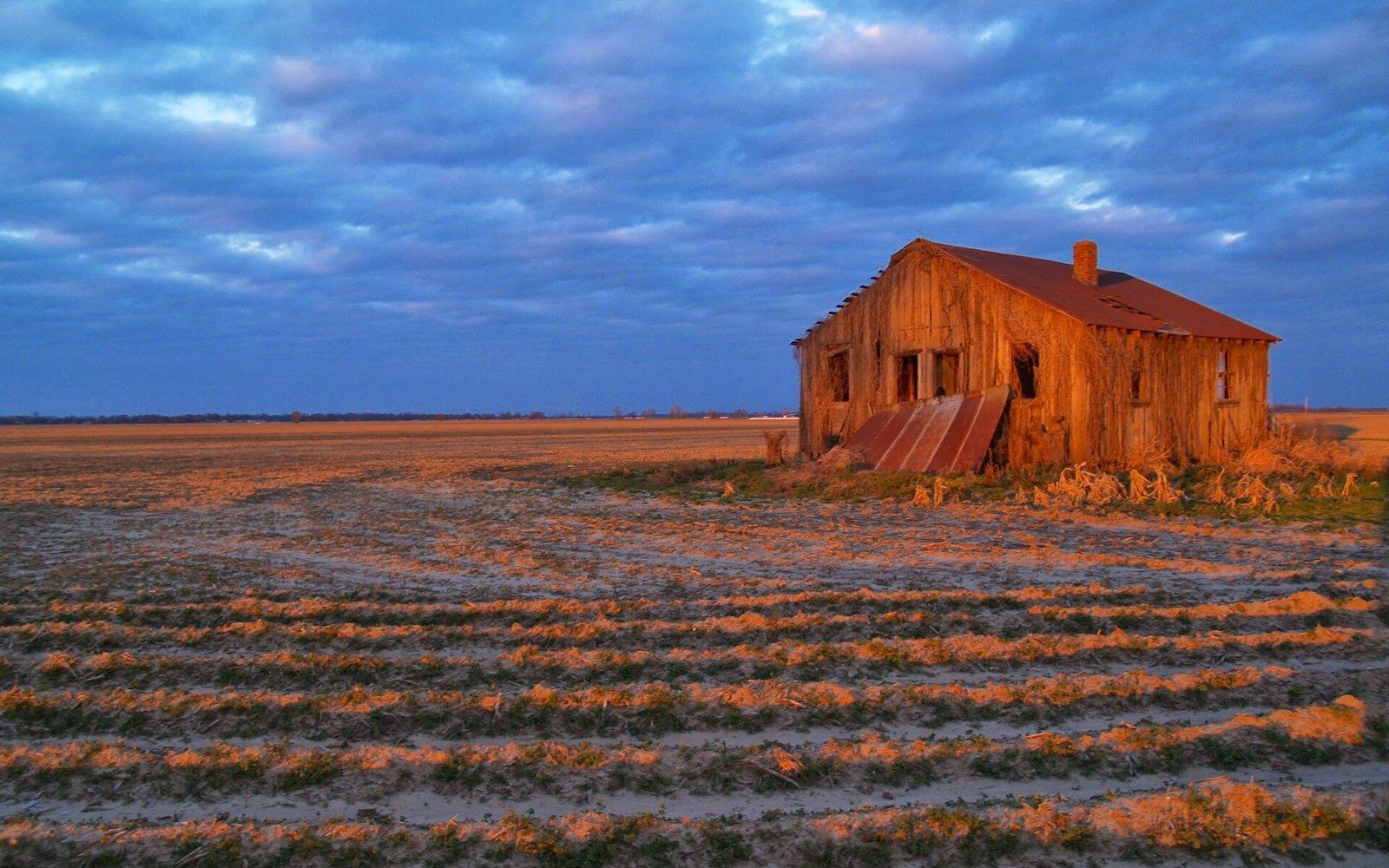
A sharecropper in the Yazoo–Mississippi Delta did not rent land in any straightforward sense. The arrangement looked, on paper, like a partnership: the planter supplied the land, the tools, the mule and the seed; the cropper supplied the labour; and at the end of the season the cotton crop was split, typically half and half. In practice the geometry of that split was almost never the whole story. What held the system together — and what held people inside it — was the furnish.
The furnish was credit extended by the planter, or by a merchant operating under the planter's roof, against the cropper's future share. It covered food, clothing, medicine, fuel and whatever else a family needed to survive from January, when the previous crop was settled, through to October, when the new one was sold. Interest on furnish accounts ran high — plantation ledgers examined by historians ↗ record rates that could exceed fifty percent annually — and the accounting was kept entirely by the planter. The cropper had no independent access to the books.
Settlement came once a year, at what was called "settling up." The planter subtracted from the cropper's half-share everything advanced as furnish, plus interest, plus charges for ginning, weighing and hauling the cotton. In a good year with a fair price and a fair accounting, a family might clear a small cash surplus. In most years, and in every year when cotton prices fell, they came out owing — carried forward into the next season's furnish account, already in debt before the first seed went into the ground. Debt of this kind, when it attached to a specific planter's land, made leaving legally and practically difficult. Mississippi and other Delta states had criminal statutes that treated leaving with an outstanding furnish debt as fraud. The law and the ledger worked together.
Read next
- furnish system
- credit extended by the planter against the cropper's future cotton share, covering food and supplies; interest compounded annually
- sharecropping
- labour arrangement in which the cropper works the land in exchange for a share (typically half) of the crop, with all input costs deducted before settlement
- settling up
- the once-yearly accounting at which furnish debts were subtracted from the cropper's share; the moment the arithmetic was revealed
- overbank deposition
- the flood-cycle process that built the deep, fine-grained Delta soil that made cotton cultivation so profitable, and therefore made labour control so important to planters
What the ledgers show
Plantation records that survived into archives are explicit about the mechanics. The Cohn plantation records, the Dockery Farms accounts and similar documents held in Mississippi repositories list individual families by name, track their furnish charges item by item — a dollar for salt pork, fifty cents for lamp oil — and show the annual settlement in a single column where debits almost always met or exceeded credits. These are not impressionistic records; they are double-entry accounts ↗ that detail exactly how the arithmetic worked against the cropper.
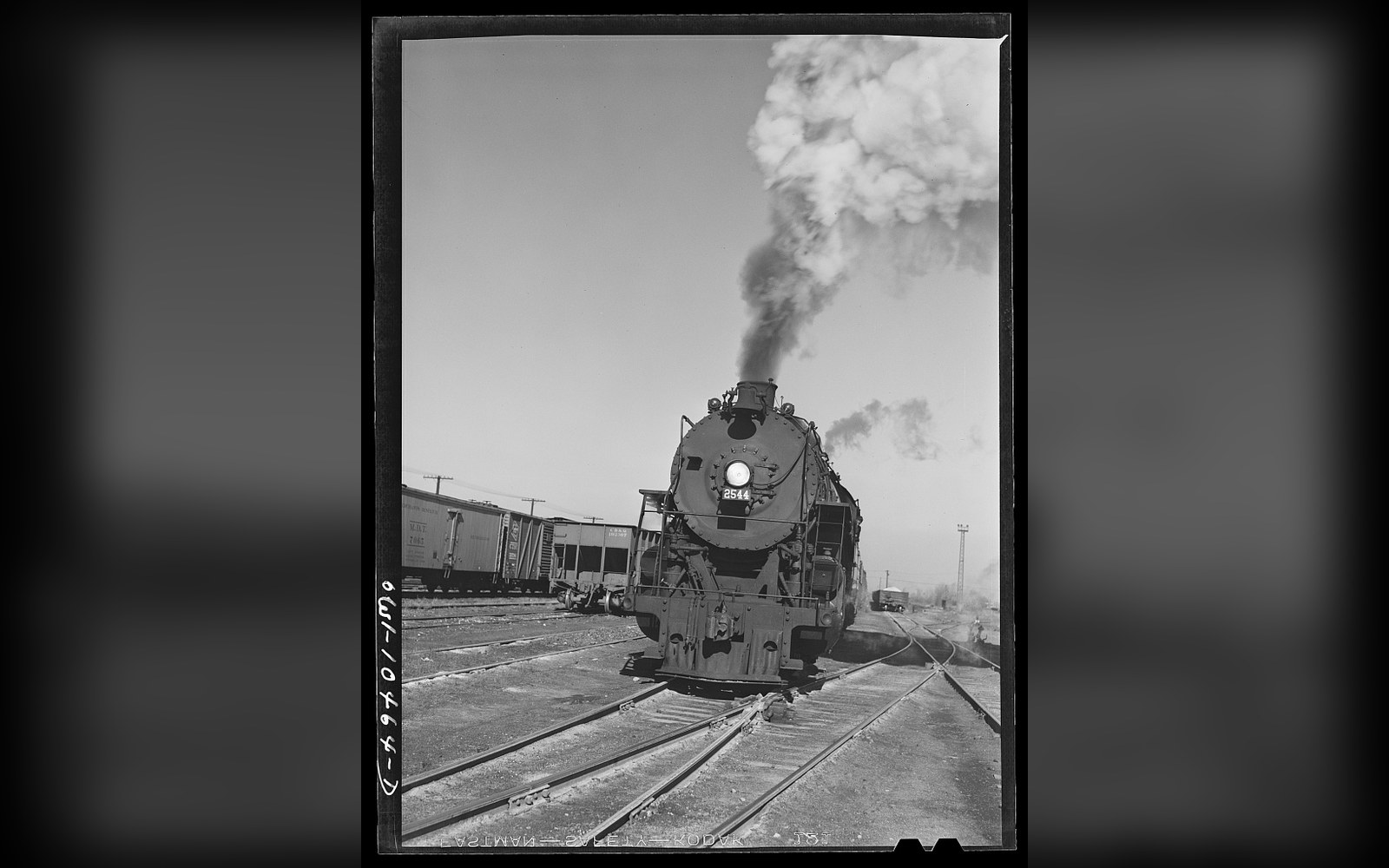
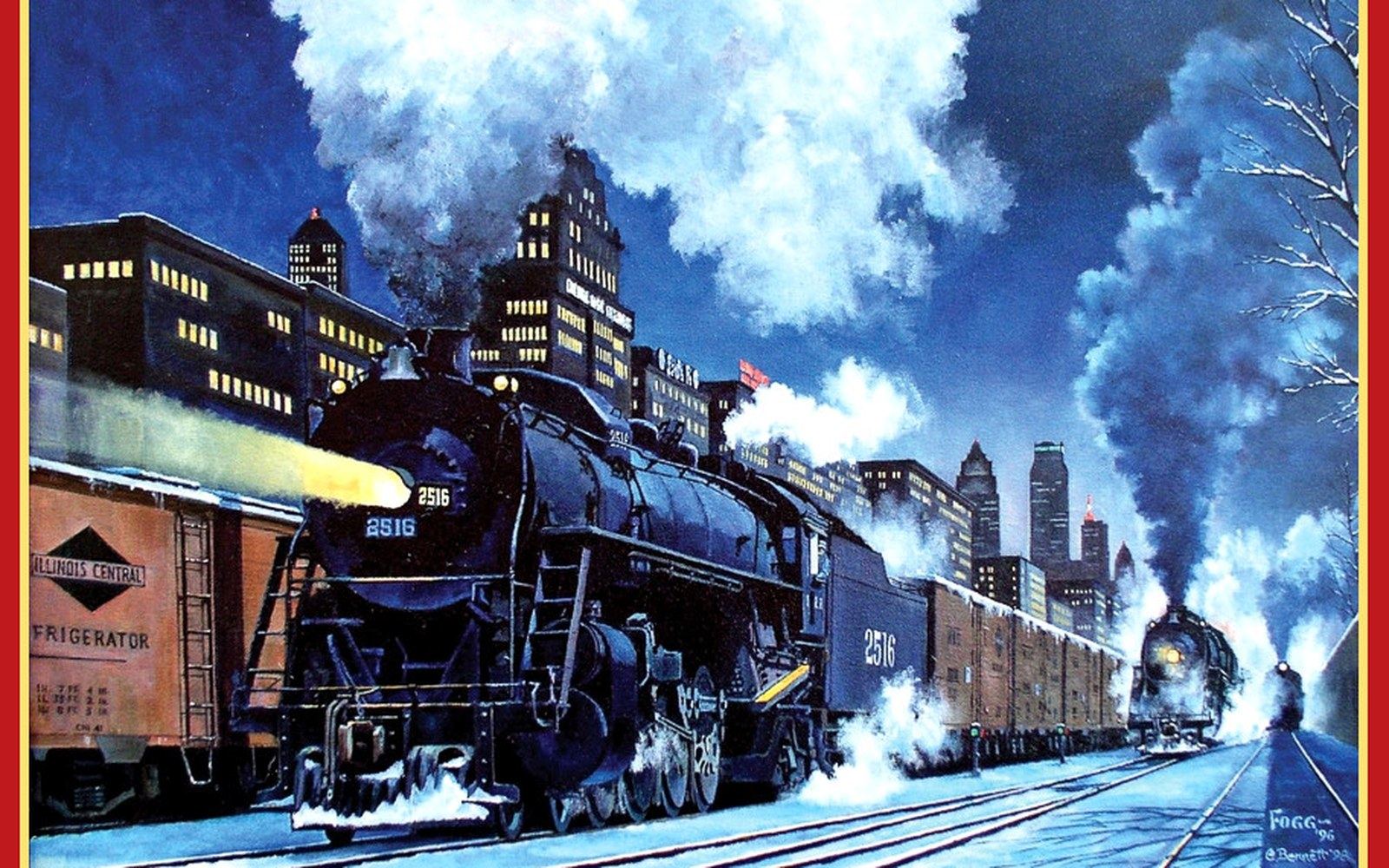
The system required that cotton, the only crop that generated cash on the Delta plain, be grown in quantities the planter dictated. A cropper who planted a garden to reduce his furnish dependency, or who tried to grow a cash crop of his own, was acting against the planter's interest and could be pushed off the land before settling up. The Illinois Central Railroad ran through the Delta, connecting Vicksburg north through Greenville, Indianola and Clarksdale to Memphis and Chicago, and the road offered an eventual exit — but only after the debt was cleared, or after a family was willing to walk away from whatever small credit balance they were owed and would never be paid. Most stayed. Some did not.
The sharecropping system was not unique to the Delta, but the Delta's particular geography made it especially rigid. The alluvial plain between the Mississippi and the Yazoo River had been cleared of bottomland hardwood forest at enormous expense — most of it after the Civil War and into the early twentieth century — and turned into some of the most productive agricultural land in North America. The levees built and maintained by the US Army Corps of Engineers and the Mississippi River Commission held the river back well enough, in most years, that the soil could produce reliable cotton yields. Planters had invested heavily in that land and in the drainage systems that made it workable, and they had no intention of watching their labour supply walk north on an Illinois Central train.
The people it moved
Music is one of the clearest records of what the furnish system felt like from inside it. Charley Patton, who worked and played at Dockery Farms in Sunflower County, and Son House, who moved through the same network of plantations along the Sunflower River, were sharecroppers or close neighbours to them. The themes that recur in early Delta blues — debts that cannot be settled, bosses who control the arithmetic, the road north as the only horizon — are documented in scholarship that reads the lyrics against the plantation record ↗. They are not metaphor. They are occupational description.
Robert Johnson's recordings from 1936 and 1937 are full of motion — crossroads, highways, the desire to leave — and that motion is not incidental. It reflects the actual condition of labour in the Delta: people who were in place not by choice but by the arithmetic of the furnish account, and who understood that leaving was the only way to break it. The Great Migration did not merely carry people north; it was a mass refusal of that arithmetic, accelerated by the catastrophic flooding of 1927, which broke the informal bargain that kept tenants loyal to particular planters, and then by the slow mechanisation of cotton harvesting through the 1940s and 1950s, which made the labour less necessary from the planter's side.
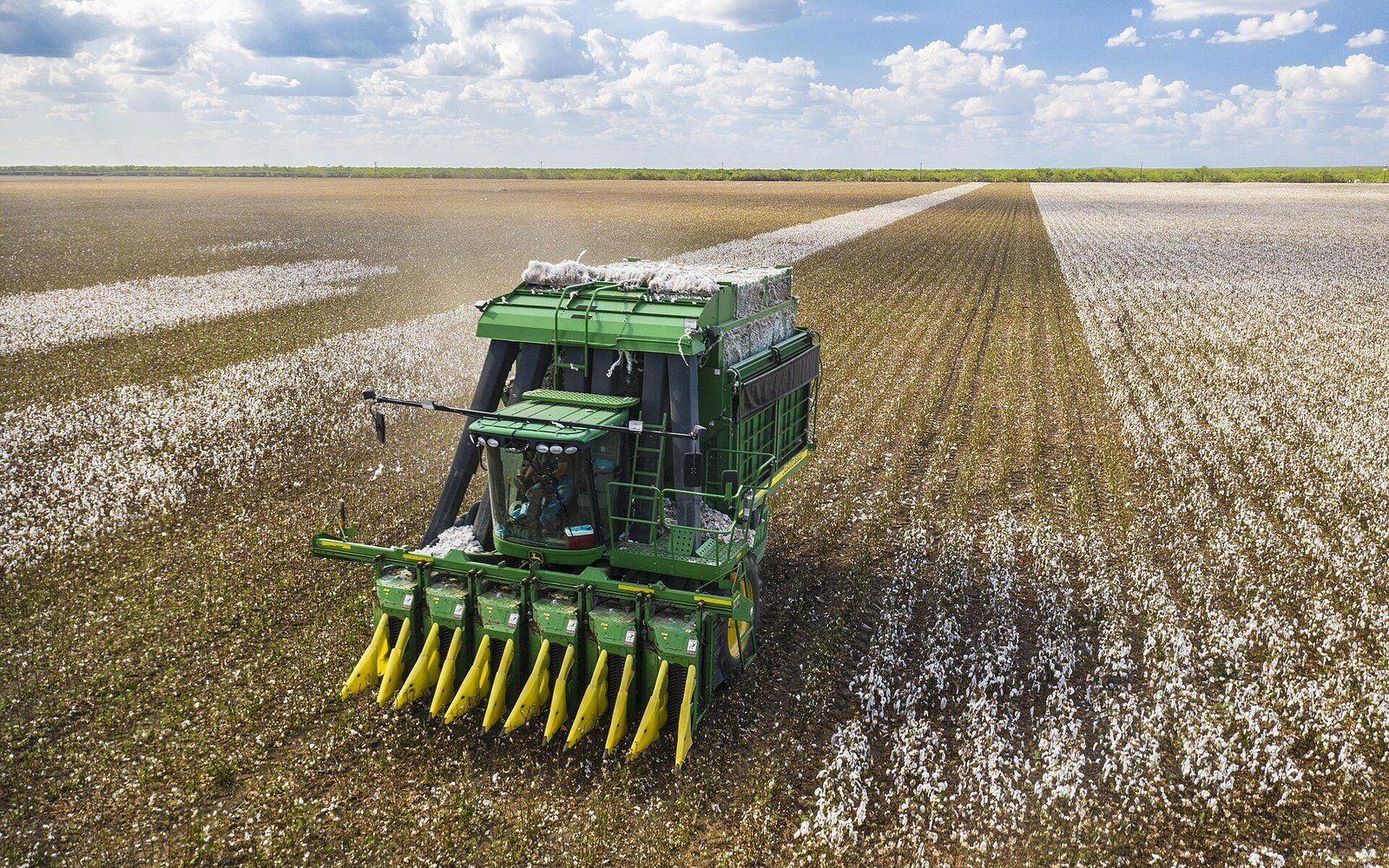
By the time mechanical cotton pickers were moving through Delta fields at scale, the furnish system was already eroding. The debt instrument that had held families in place for two and three generations lost its grip when the planter no longer needed the cropper's labour in the same numbers. Evictions, which had previously been a punishment and a threat, became a convenience. The same ledger logic that had kept people in place now had no use for them.
The sharecropping system was not unique to the Delta, but the Delta's particular geography made it especially rigid.
What the plantation records document, taken together, is a labour system of considerable sophistication — not informal or improvised but formally constructed, legally supported, and maintained through the careful management of information. The cropper knew what he owed. He often did not know whether that figure was accurate. That asymmetry, more than any single statute or any physical constraint, is what the ledgers show.
Elsewhere in Shares and Trains

A labelling argument that reached Congress
Imported basa and swai were the subject of a long labelling and inspection dispute, which is why the word on the package is regulated.
Ponds & Plants
Processing is the other half of the industry
The processing plants set what the ponds can sell, and plant closures have taken pond acreage out of production directly.
Ponds & Plants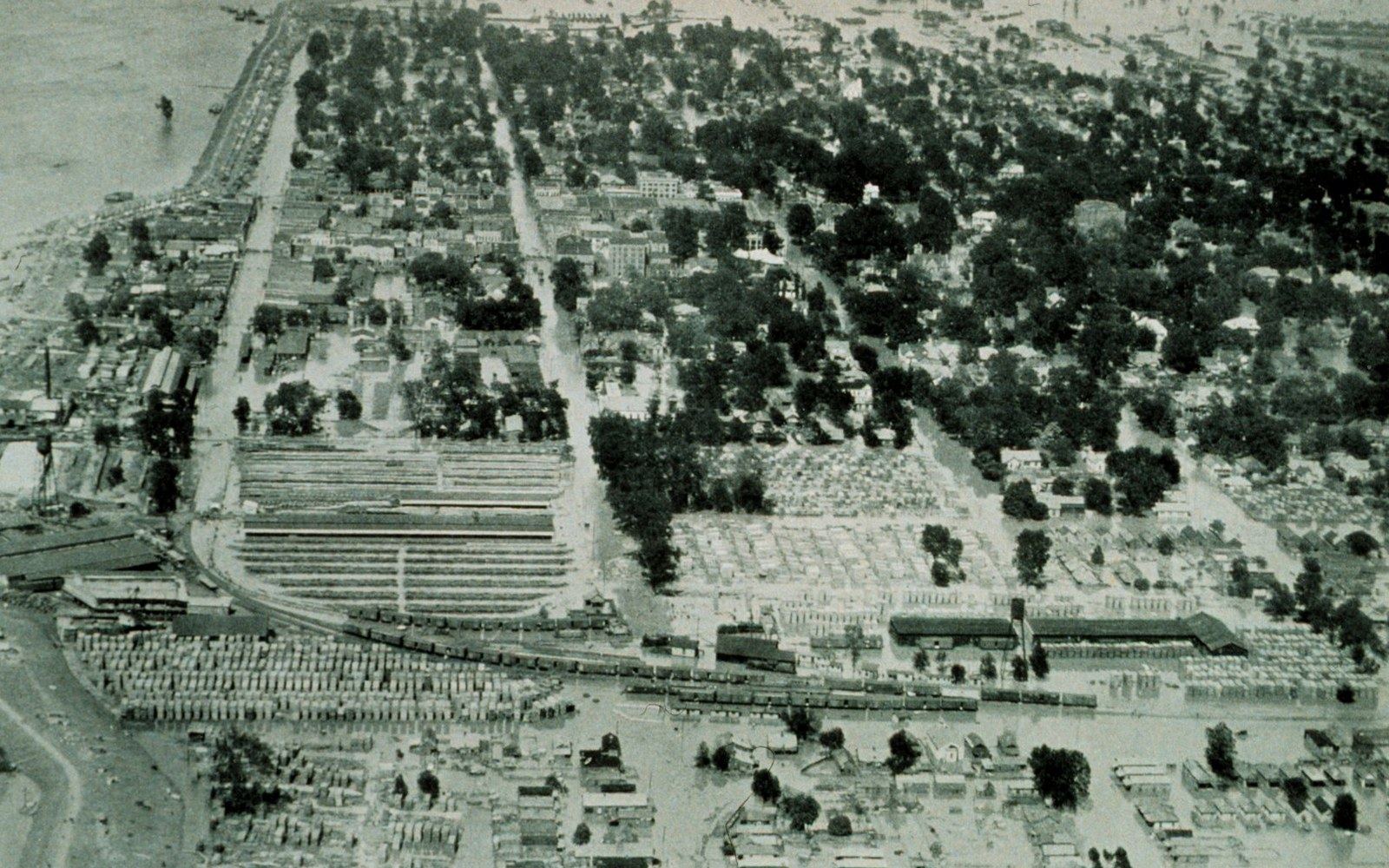
The flood that rewrote the rules
The Great Mississippi Flood of 1927 inundated an enormous area and led directly to the Flood Control Act of 1928 and federal responsibility for the river.
The 1927 Water