The Line That Shaped the Migration
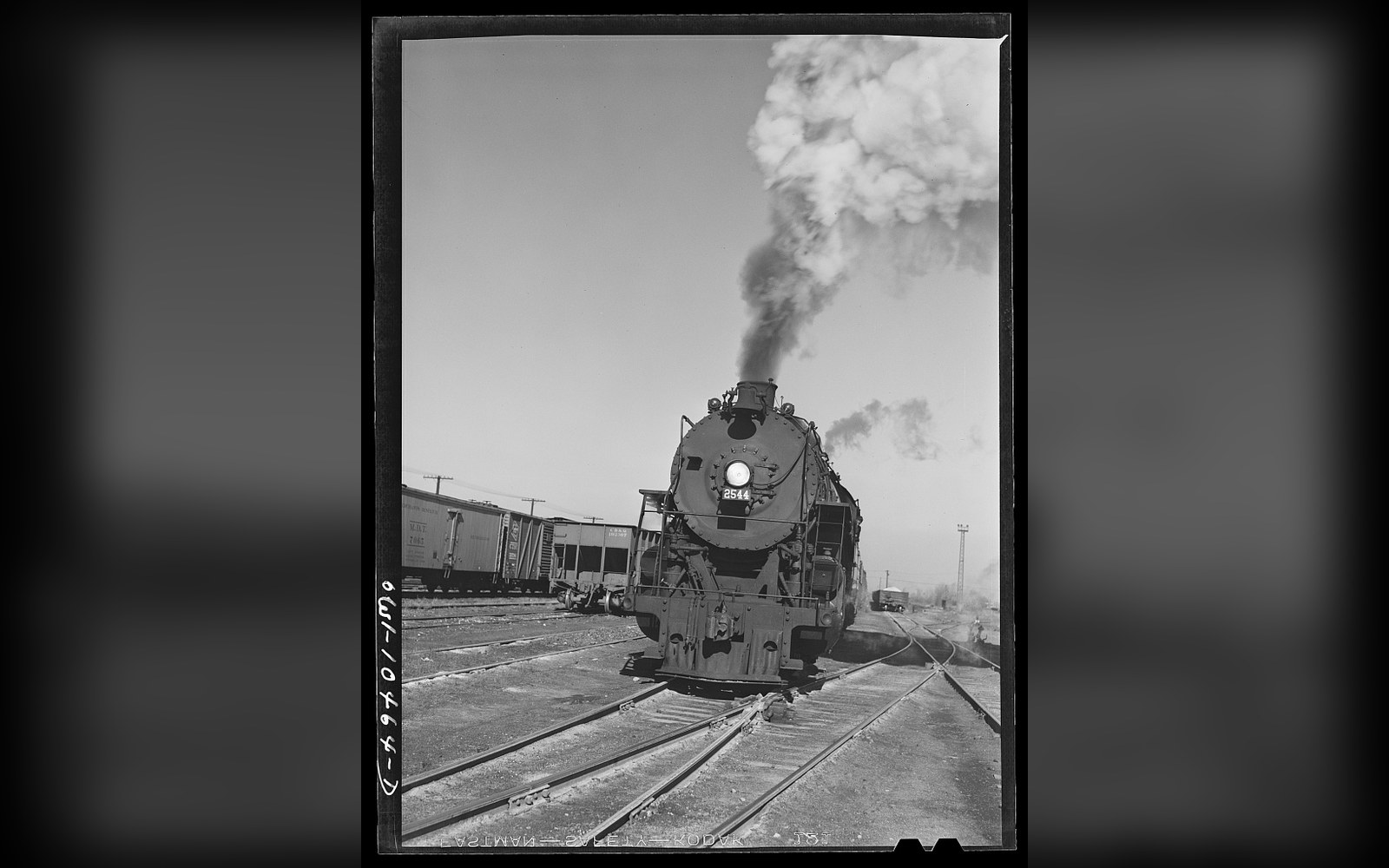
Geography is obvious in hindsight. The Illinois Central Railroad ↗ built its main stem north from New Orleans through Jackson and Memphis, with Delta lines reaching Greenville and Clarksdale, before crossing the Ohio River and continuing straight to Chicago. When sharecroppers and tenant farmers began leaving the Delta in significant numbers after the 1910s, they followed the rail corridor they already knew — the one that stopped near the plantation, hauled the cotton north, and sold southbound tickets at stations they could reach on foot.
The Illinois Central's "Main Line of Mid-America" became, in practical terms, the primary artery of the Great Migration. Chicago was the terminus because the line went to Chicago. Detroit and St. Louis drew from adjacent rail networks — the Mobile and Ohio, the Gulf, Mobile and Ohio — but Chicago absorbed the largest single stream of Delta migrants precisely because a single unbroken track connected it to the Yazoo–Mississippi Delta without a transfer.
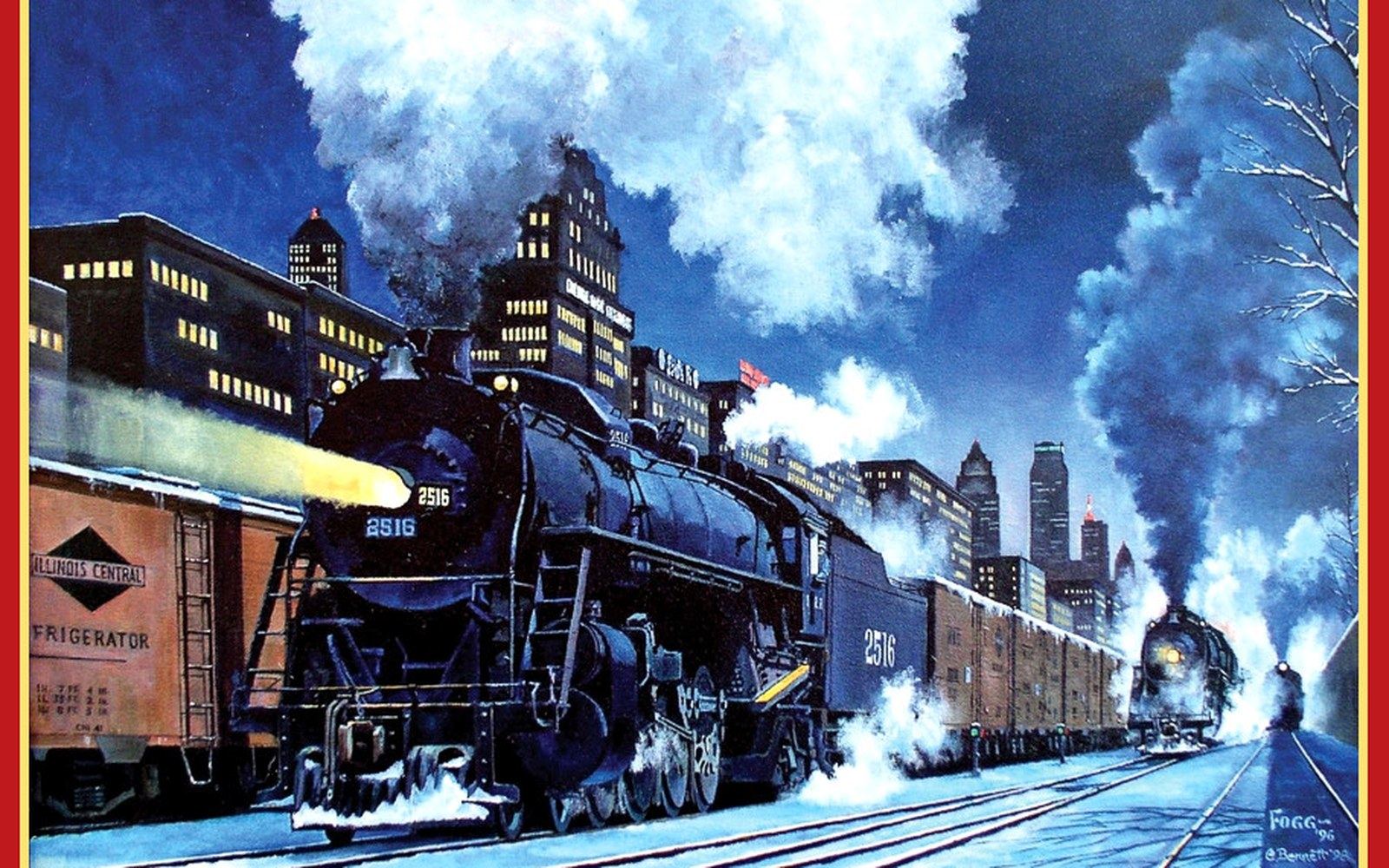
The railroad did more than carry passengers. It moved cotton, it moved mail, and it moved the rhythm of plantation time. Departure times structured the calculation of when and whether to leave. Conductors and porters, many of them Black men who worked the routes and quietly carried news of conditions up north, functioned as an informal information network that no planter could fully suppress. The Chicago Defender, the Black newspaper that explicitly encouraged migration, arrived on the Illinois Central's mail cars and circulated hand to hand through the plantation districts around Indianola and Leland.
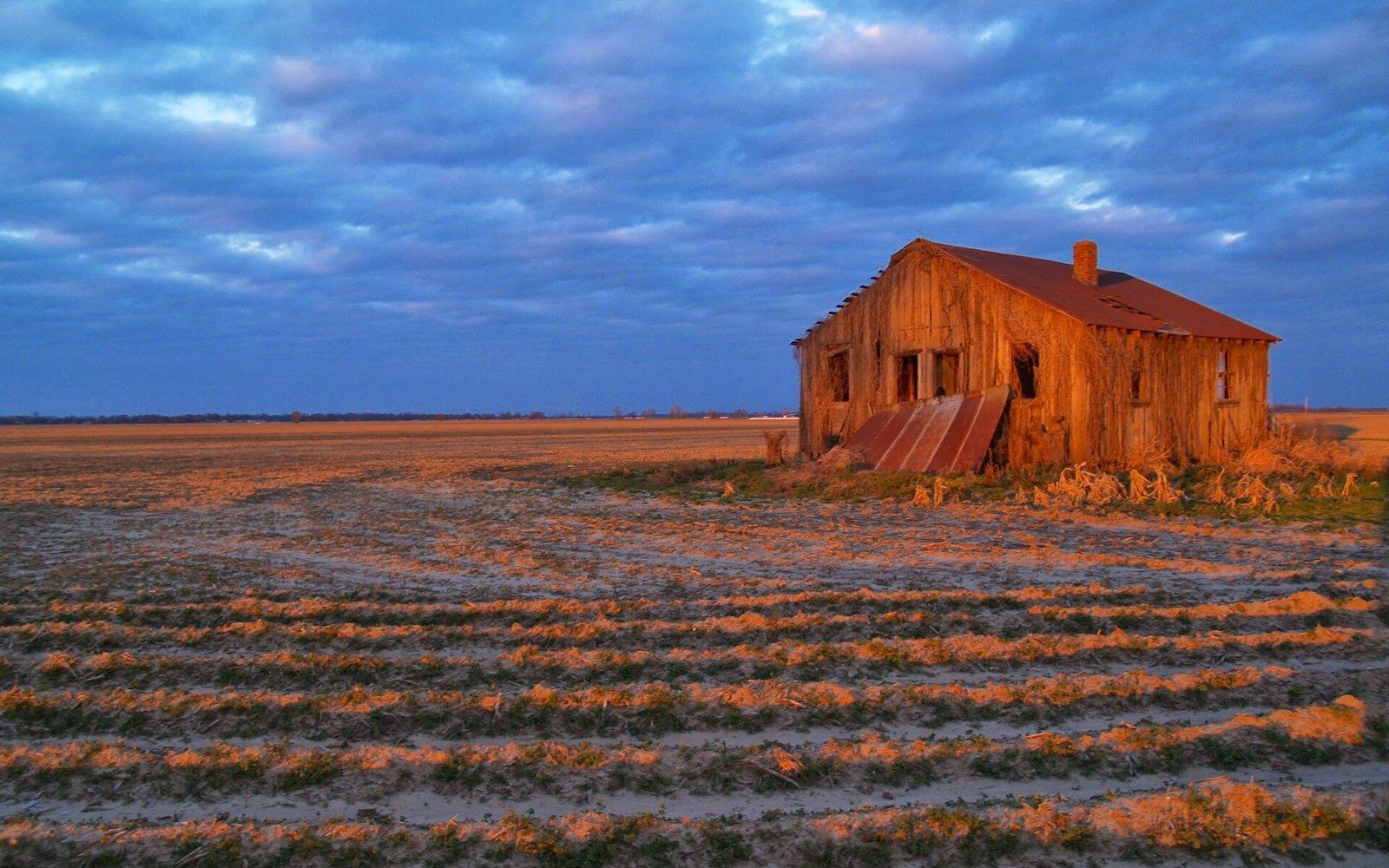
Sharecropping and the furnish system — the cycle of crop-lien debt that tied labour to the land — were designed partly to prevent exactly this kind of departure. Planters pressured local ticket agents, and documented accounts from the period ↗ record instances of passengers being turned away or intimidated at stations. It slowed the process; it did not stop it. Mechanisation of cotton harvesting after World War II removed whatever economic rationale remained for keeping workers in place, and the trickle became a flood. By then the Illinois Central had been running Delta families north for forty years.
The destinations were not random. They were the cities at the other end of the only railroad most Delta residents had ever used.
Sharecropping and the furnish system — the cycle of crop-lien debt that tied labour to the land — were designed partly to prevent exactly this kind of departure.
Read next
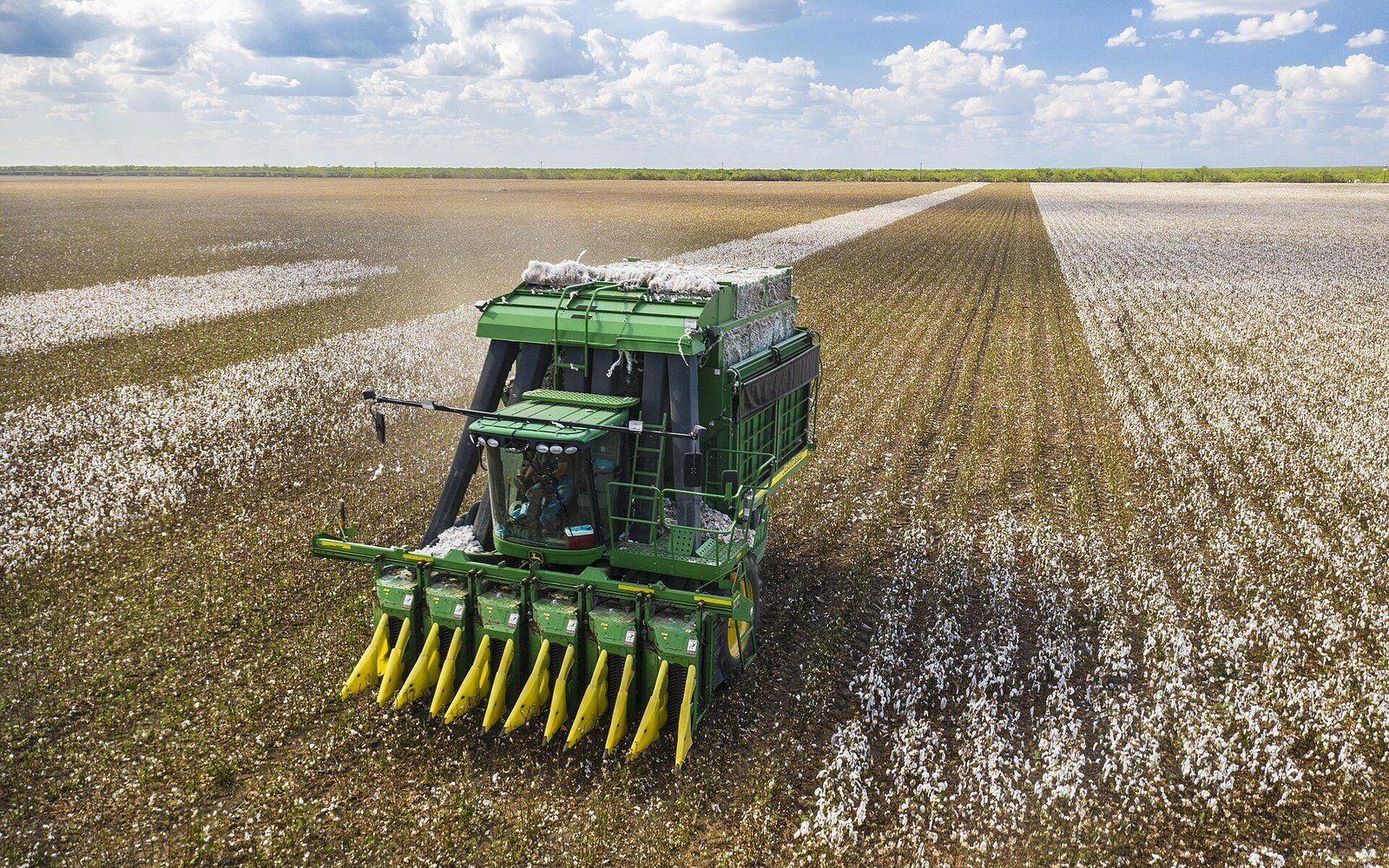
The tractor finished what the flood started
Mechanical cotton harvesting removed the labour demand that had held the population in the Delta, and the depopulation follows the machine's arrival.
Shares and Trains
A labelling argument that reached Congress
Imported basa and swai were the subject of a long labelling and inspection dispute, which is why the word on the package is regulated.
Ponds & Plants
Processing is the other half of the industry
The processing plants set what the ponds can sell, and plant closures have taken pond acreage out of production directly.
Ponds & Plants