The movement was not a single event
Between roughly 1910 and 1970, somewhere between five and six million Black Americans left the South. The figure is not disputed; the question historians have kept returning to is how to weigh the forces behind it. The answer is not a single cause. It is a layered structure of push and pull, some forces building slowly across decades, others arriving as shocks — a flooded plain, a machine in a cotton field — that broke whatever equilibrium still held.
The Yazoo–Mississippi Delta was not the only place people left from, but it was one of the most concentrated sources. The alluvial plain — some seven thousand square miles of deep, fine-grained soil built up by centuries of overbank deposition — had been organized around a labor system that required enormous numbers of people and kept them in place through debt. When that system weakened, or when the land itself turned catastrophic, the railroad north became the dominant fact of life.
Sharecropping and the furnish system built the trap
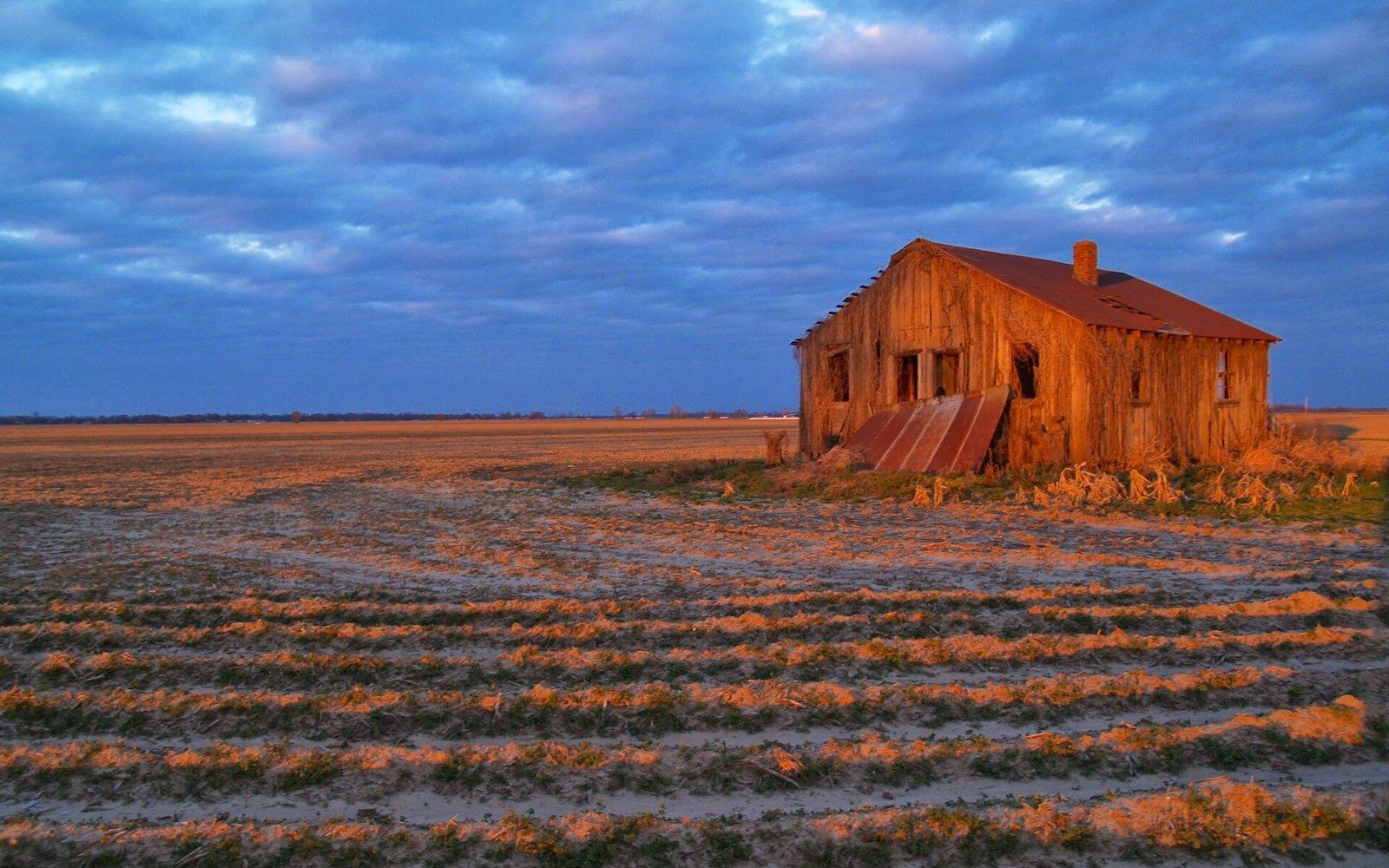
To understand why people left, it helps to understand what held them. Sharecropping was not simply a labor arrangement; it was a credit structure. A planter supplied seed, tools, a cabin, and food on account — the furnish — and settled up at the end of the season, after the cotton was ginned and sold. The accounting was the planter's, the prices were the planter's, and the debt had a way of surviving each harvest and carrying forward into the next year. A family that owed at settlement could not legally leave under Mississippi's contract-labor statutes, which treated departure as criminal breach.
What the system produced was geographic immobility enforced by law and debt together. It also produced extreme vulnerability: a crop failure, a flood, a collapse in cotton prices, and the family had nothing. The furnish kept them from accumulating anything that would make independence possible. This was not a stable equilibrium — it was a pressurized one, and it held as long as the alternatives seemed worse or less reachable.
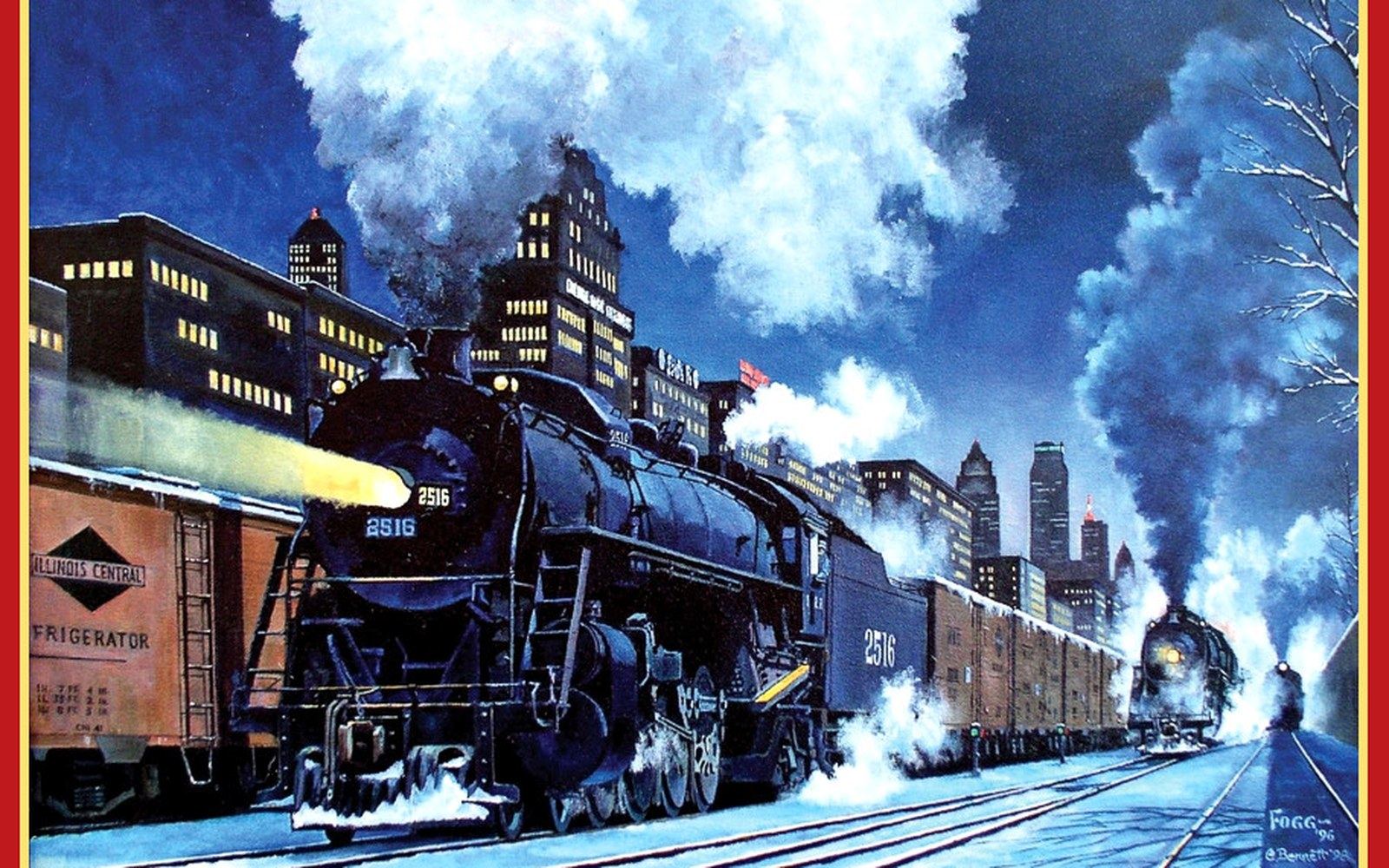
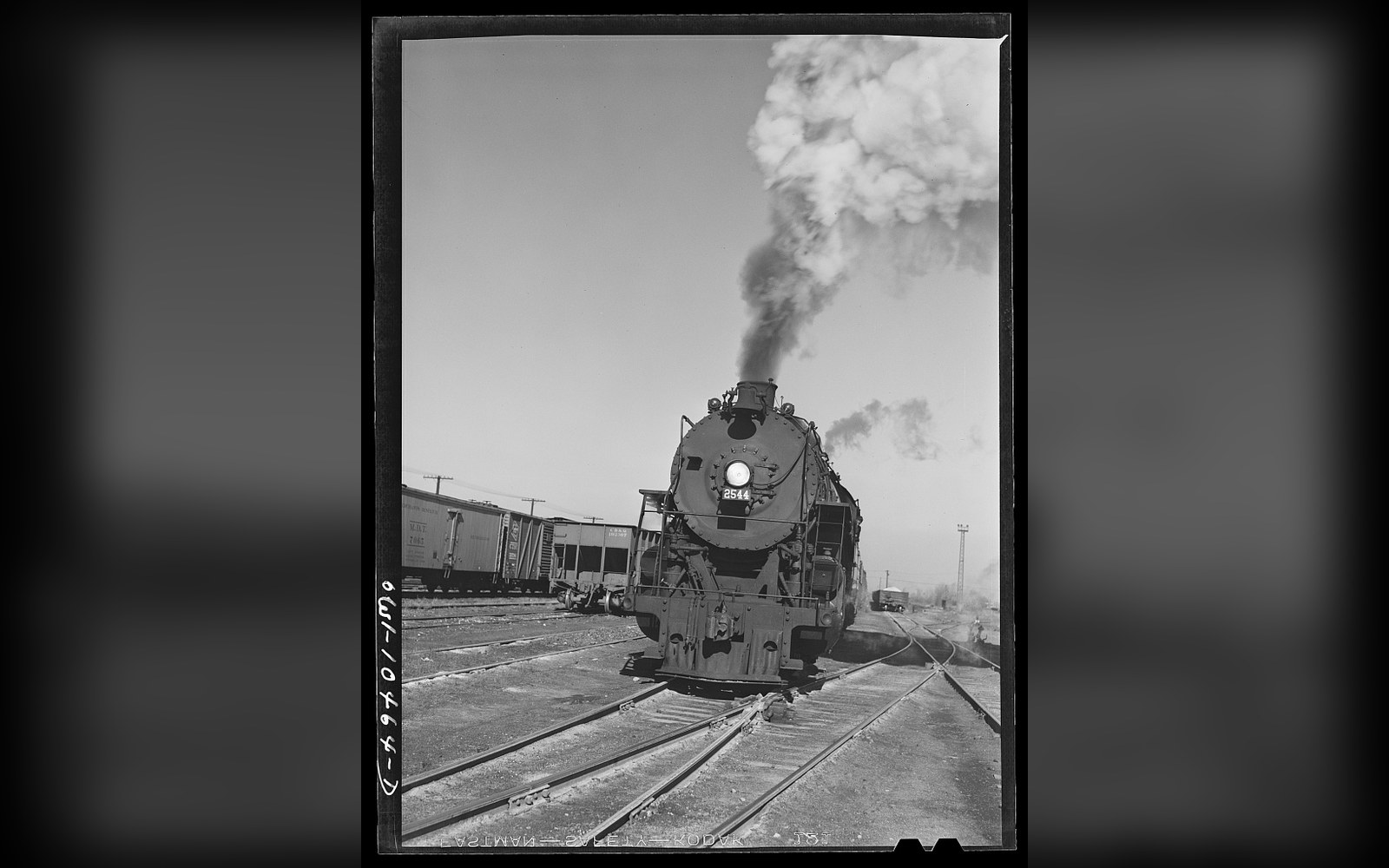
The Illinois Central Railroad changed the calculus of distance. Running directly north through the Delta — through Greenville, Clarksdale, and on through Memphis — it connected the alluvial plain to Chicago with a single ticket. By the first decade of the twentieth century, that ticket was affordable and the destination was real: Chicago meatpacking and steel, Detroit automotive plants, and later the industrial economy of the urban North were advertising labor shortages, sometimes explicitly recruiting in Southern newspapers. The pull was structural and documented, and it preceded the great shocks that accelerated the movement.
Read next
- First wave (c. 1910–1940)
- Driven by sharecropping debt, cotton price collapses, and the 1927 flood; destinations principally Chicago and Detroit
- Second wave (c. 1940–1970)
- Driven by mechanical cotton harvesting removing labor demand; larger in absolute numbers than the first
1927 broke the calculation
The Great Mississippi Flood of 1927 was the largest river disaster in American recorded history. The flood that rewrote federal water policy put roughly twenty-seven thousand square miles under water. In the Delta, the inundation was not a temporary inconvenience — it was a months-long occupation of the plain that destroyed stored food, killed livestock, rotted seed, and wrecked the material basis of the next planting season for hundreds of thousands of people.
The Red Cross relief effort operated along explicitly segregated lines; the documented record — including the work of historian John Barry — shows that Black flood victims in the Delta were held in labor camps on the levees, prevented from leaving by planters who feared losing their workforce, and supplied at levels below what the Red Cross was distributing elsewhere. The flood thus combined catastrophic destruction with a demonstration, clear enough to read from inside the camps, that the protective order — the implicit promise that the planter cared for the labor that made him wealthy — was simply not operative in crisis. People who had weighed the costs of leaving against the costs of staying recalculated.
The numbers moved in the years immediately following. Chicago's South Side, Detroit's Paradise Valley, and the industrial neighborhoods of Gary and Cleveland absorbed the movement. The Illinois Central and its connections ran north; the trains were full.

Mechanisation finished it
The 1927 flood was a shock; mechanisation was a structural transformation. International Harvester introduced a commercially viable mechanical cotton picker in the late 1940s, and by the mid-1950s the machine was displacing hand labor across the Delta at a rate the sharecropping system could not absorb. Mechanical cotton harvesting did not require the enormous seasonal workforce that picking by hand had demanded — a machine could do in a day what took dozens of people a week.
The effect on the population of the Delta was direct and documented. USDA records show Mississippi's cotton acreage declining even as mechanised yield-per-acre rose; the labor demand that had held millions of people in place through the furnish system and its legal enforcement simply evaporated. Planters who had spent generations suppressing mobility now had no economic motive to retain workers they did not need. The second wave of the Great Migration, roughly 1940 to 1970, was fueled as much by this structural displacement as by any legal change, and it was larger in absolute numbers than the first.
The Delta's population did not recover. Towns like Belzoni, Indianola, and Leland, which had been dense with labor in the cotton era, began the long population contraction that is still visible in their built fabric — the large churches, the wide main streets, the commercial blocks built for a different density.
Running directly north through the Delta — through Greenville, Clarksdale, and on through Memphis — it connected the alluvial plain to Chicago with a single ticket.
Music traveled with the people
The culture that had formed on the plantations and in the towns of the Delta traveled north with the people who made it. Charley Patton recorded from 1929 onward; Son House recorded in the 1930s; Robert Johnson's twenty-nine songs from 1936 and 1937 were made just as the first great wave of migration was fully underway. The Chicago electric blues that emerged in the late 1940s and 1950s — the sound associated with Chess Records and with musicians who had come up from the Delta — was the same tradition in a new acoustic and economic environment. The migration was the mechanism of that transmission.
The Mississippi Blues Trail now marks many of the Delta sites where the music formed: Dockery Farms outside Cleveland, Mississippi, where Charley Patton worked and played; the places associated with Son House and Robert Johnson in and around Clarksdale and the hill country. The markers fix a geography, but the geography they fix is one that most of the people who created the music eventually left.
What the numbers represent
The scale of the Great Migration ↗ — verified by census records across six decades — is one of the largest internal migrations in twentieth-century American history. The forces behind it were not mysterious: a legal and economic system that immobilized labor through debt, a catastrophic flood that exposed the limits of planter protection, a machine that ended the labor demand that had made the system run, and a railroad that made the alternative real and reachable. Each of these forces is documented in the historical record ↗ at specific dates and in specific places. Together they moved somewhere between five and six million people, and the Delta was among the places most durably shaped by their departure.
Elsewhere in Shares and Trains

A labelling argument that reached Congress
Imported basa and swai were the subject of a long labelling and inspection dispute, which is why the word on the package is regulated.
Ponds & Plants
Processing is the other half of the industry
The processing plants set what the ponds can sell, and plant closures have taken pond acreage out of production directly.
Ponds & Plants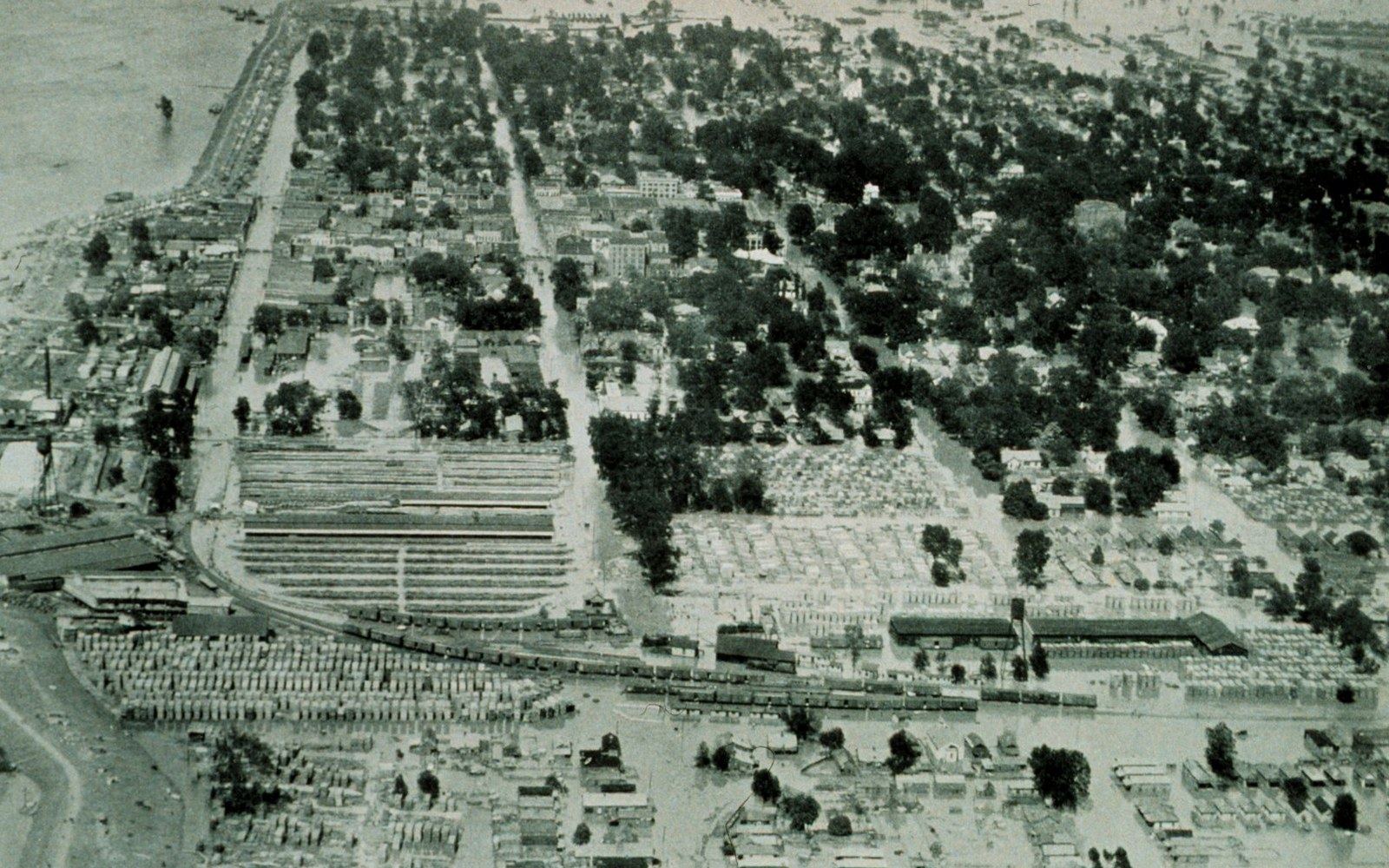
The flood that rewrote the rules
The Great Mississippi Flood of 1927 inundated an enormous area and led directly to the Flood Control Act of 1928 and federal responsibility for the river.
The 1927 Water