What the catalogue actually contains
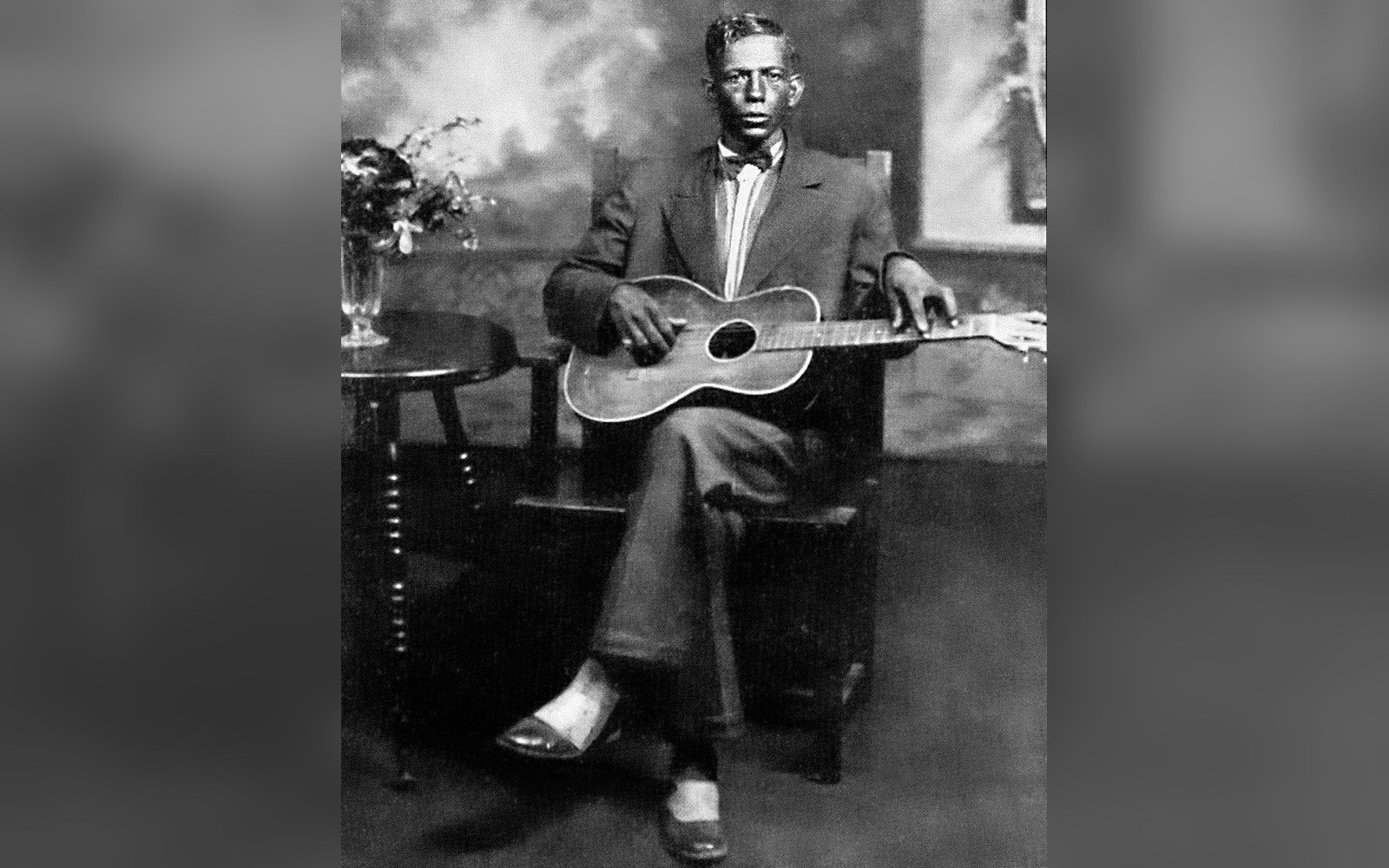
On June 14, 1929, Charley Patton walked into the Gennett Records studio in Richmond, Indiana, and cut the first of what would become the most substantial early body of Delta blues on record. He was not the first Black Southerner to record — the race records industry had been running since Mamie Smith's 1920 sessions for Okeh — but he was the first to document the Delta's own musical idiom in depth, with a named body of work that can be dated, numbered and studied. By the time he died in April 1934 in Indianola, Mississippi, Patton had made roughly sixty sides for Paramount and Vocalion, covering material that ranged from blues and spirituals to string-band pieces. His recording sessions, which ran across the years 1929 to 1934, are documented in discographies, though accounts differ on the exact number of sessions and sides.
The recordings are not a clean archive. Paramount, the label that issued most of them, was notorious for poor pressing quality ↗, using low-grade shellac to cut costs, and many surviving copies are badly worn. What survives is enough: songs like "Pony Blues," "Down the Dirt Road Blues," and "High Water Everywhere" — the two-part account of the 1927 Mississippi flood — are complete, playable and analysable. "High Water Everywhere" is arguably the most detailed firsthand blues account of a specific documented event in the Delta's history, naming Greenville, Leland, and Vicksburg as the water moved.
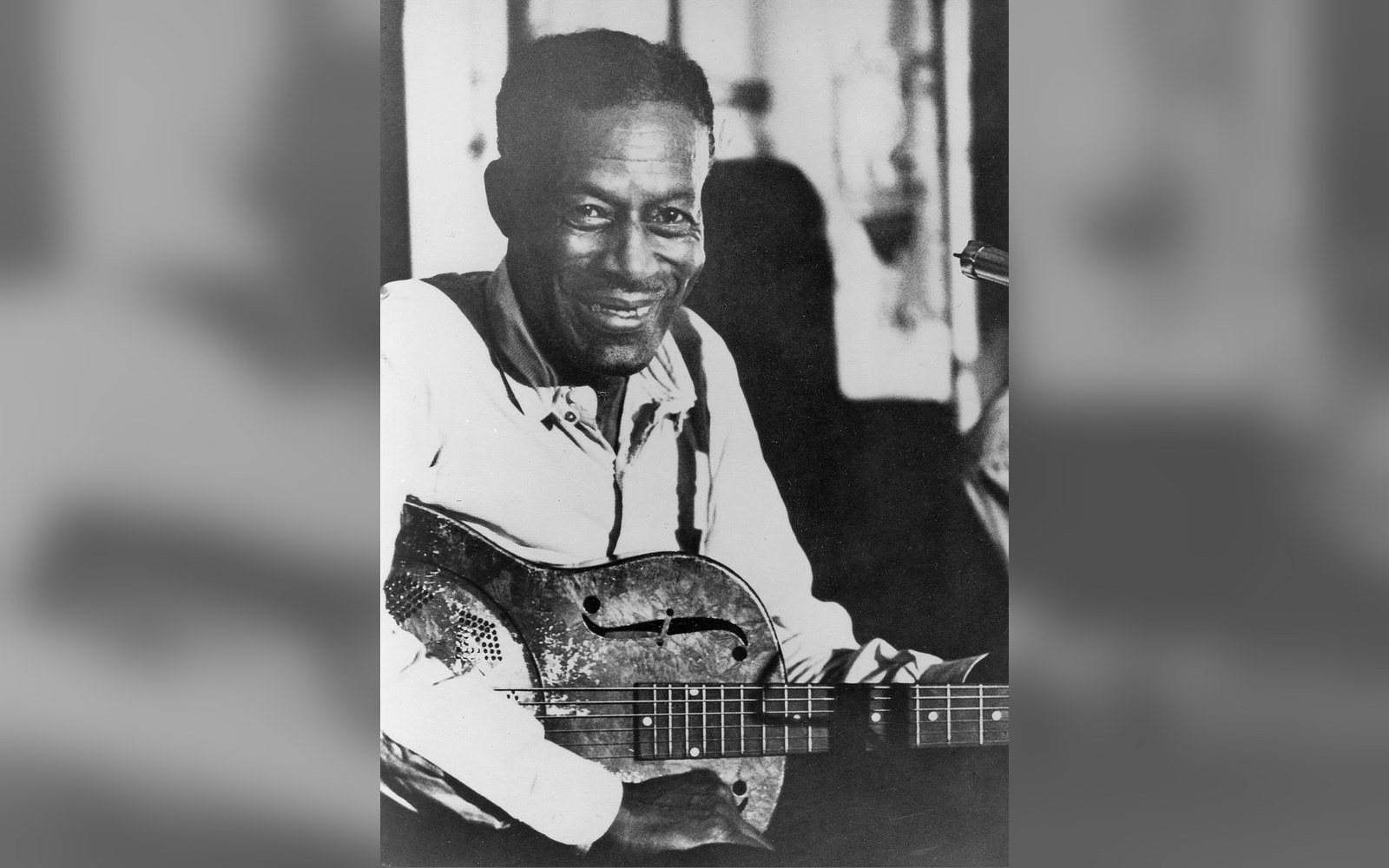
The catalogue matters for reasons beyond sentiment. Patton's recordings represent a fixed point: they can be dated with precision that oral tradition cannot provide, and they carry within them traces of a performance style and repertoire that earlier witnesses described but never captured. Son House, who recorded for Paramount in 1930 and spoke about Patton extensively before his own rediscovery in the 1960s, placed Patton at the centre of a network of players active in the Yazoo–Mississippi Delta through the 1920s. The recordings are the evidence that anchors the testimony.
Read next
- Roughly sixty sides, 1929–1934, primarily for Paramount Records
- Roughly sixty sides, 1929–1934, primarily for Paramount Records
- Labels
- Gennett (first session), Paramount (most of the catalogue)
- Key titles
- "Pony Blues," "Down the Dirt Road Blues," "High Water Everywhere" (Parts 1 & 2)
- Paramount used low-grade shellac; surviving copies are often worn but legible
- Paramount used low-grade shellac; surviving copies are often worn but legible
The ground those recordings came from
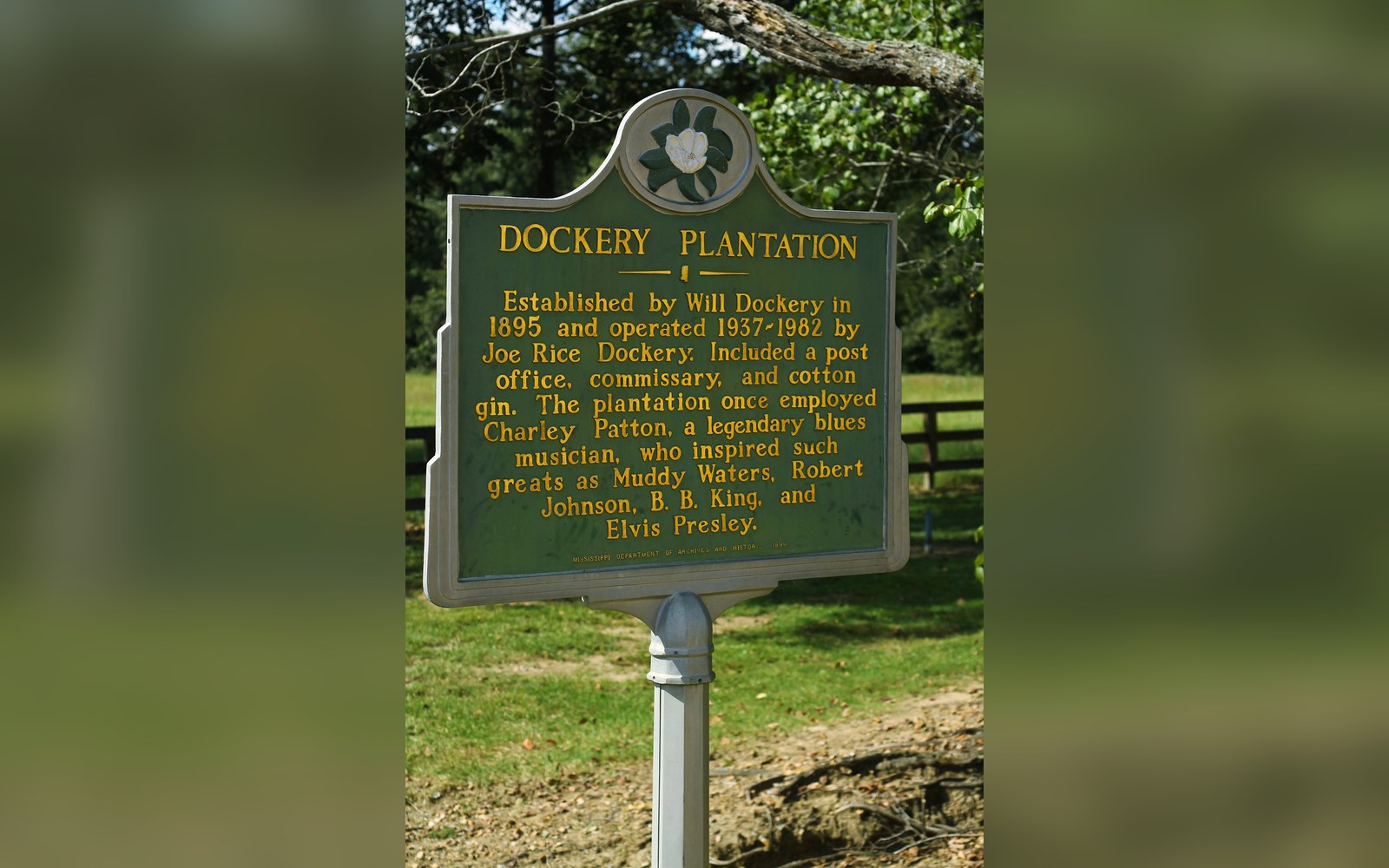
Dockery Farms, the cotton plantation on the Sunflower River near Ruleville in Sunflower County, is where Patton spent much of the period between roughly 1900 and the mid-1930s. Will Dockery established the plantation in 1895, and it operated as a self-contained world of the kind the Delta produced at scale: commissary, church, gin, labour force tied to the land through the sharecropping and furnish system that kept debt perpetually ahead of settlement. Patton is documented as living and performing on the plantation during those decades, and the concentration of musicians who passed through it — House, Tommy Johnson, Roebuck Staples as a young man — has led researchers and the Mississippi Blues Trail to treat Dockery as a genuine gathering point rather than a retrospective myth.
The soil those musicians walked on was the alluvial plain at its deepest: silt laid down by millennia of overbank deposition from the Mississippi and its tributaries, so rich and heavy that it demanded exactly the kind of large-scale, labour-intensive cotton agriculture the plantation system supplied. The Illinois Central Railroad ran lines through this territory, connecting the Delta to Memphis and Chicago, and the depots at Ruleville and Cleveland were not far from Dockery's gates. Music moved on those lines the same way people did; Patton himself travelled to record in Richmond and, in his final session of 1934, in New York.
The geography is not incidental to the sound. Patton played slide guitar with a bottle or knife, using open tunings that bent melody into something closer to a field holler than European harmonic movement. The technique was not unique to him — it appears across the early Delta recordings — but his recordings are the ones that survive in enough volume to show it systematically, and that systematic survival is what makes the catalogue a document rather than simply a relic.
Why the 1929 date holds
The question of who came first is a genuine one in blues scholarship, and it has a genuine answer. Earlier commercial recordings by Black Southern artists predate Patton — Blind Lemon Jefferson recorded in Chicago from 1926, and various string-band and vaudeville recordings go back further — but none of them constitute a substantial, geographically specific body of Delta material. Jefferson's work is East Texas; the Delta is its own alluvial world, and no comparable body of recordings from it predates 1929.
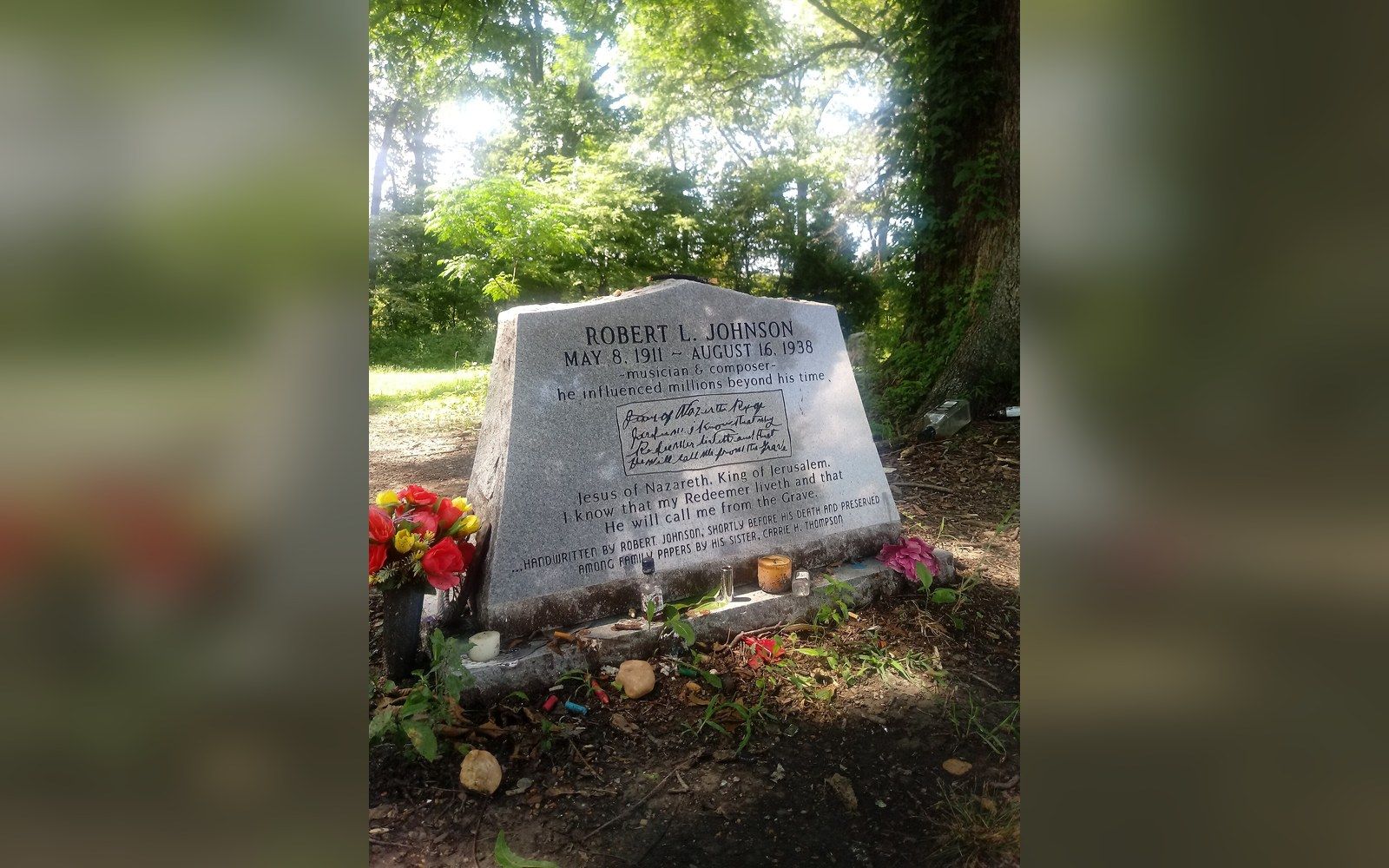
Robert Johnson, whose mythology runs larger in the popular imagination, recorded only twenty-nine songs across two sessions in 1936 and 1937, and he was in documented contact with Son House, who was in documented contact with Patton. The chain of transmission runs backward to Patton's sessions, not forward from Johnson's. Johnson's recordings are extraordinary; they are also later, fewer, and traceable in part to an older tradition that Patton's work actually captures.
The Gennett studio in Richmond was one of the workhorses of early American vernacular recording, and its June 1929 ledgers — where Patton's first session appears — are part of the Gennett Records collection held at Indiana State Museum and Historic Sites, which has preserved session information and pressing records. This institutional documentation is what separates the 1929 date from legend: it is not a memory or an estimate, it is a studio record.
The question of who came first is a genuine one in blues scholarship, and it has a genuine answer.
Patton died of a heart condition in April 1934, about three months after his final session. He was buried in Holly Ridge, Mississippi. The recordings he left ran to roughly sixty sides — an uneven, often scratchy, sometimes brilliant body of work that sits at the origin point of a documented tradition. The Delta blues did not begin with him in any absolute sense; music does not work that way. But the earliest substantial body of it on record, dated and catalogued and still playable, is his.
Elsewhere in Off Dockery

The tractor finished what the flood started
Mechanical cotton harvesting removed the labour demand that had held the population in the Delta, and the depopulation follows the machine's arrival.
Shares and Trains
The railroads that carried it
The Illinois Central and its connections ran directly north, which is why the destination cities are the ones they served.
Shares and Trains
A town that claims a title in writing
Belzoni in Humphreys County calls itself the Catfish Capital of the World, and the claim rests on pond acreage and processing rather than on folklore.
Ponds & Plants