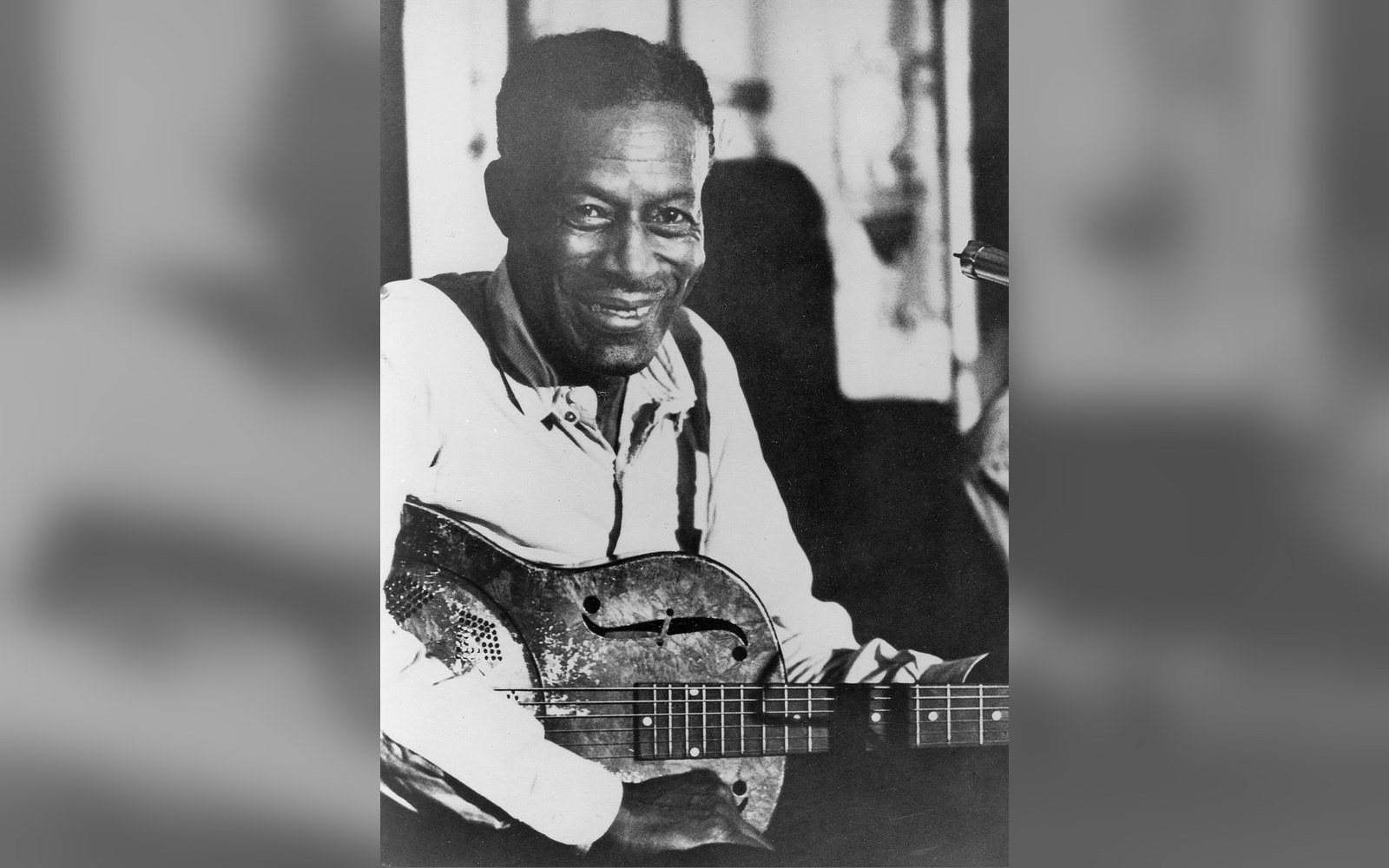
Eddie James House Jr. was born in Riverton, Mississippi, in 1902, and by the time he arrived at Dockery Farms in the late 1920s he had already been to prison. He had shot a man at a dance in Clarksdale — in self-defence, the record suggests — and served two years at Parchman Farm before his sentence was commuted. He came out playing guitar.
The First Era: Grafton, 1930
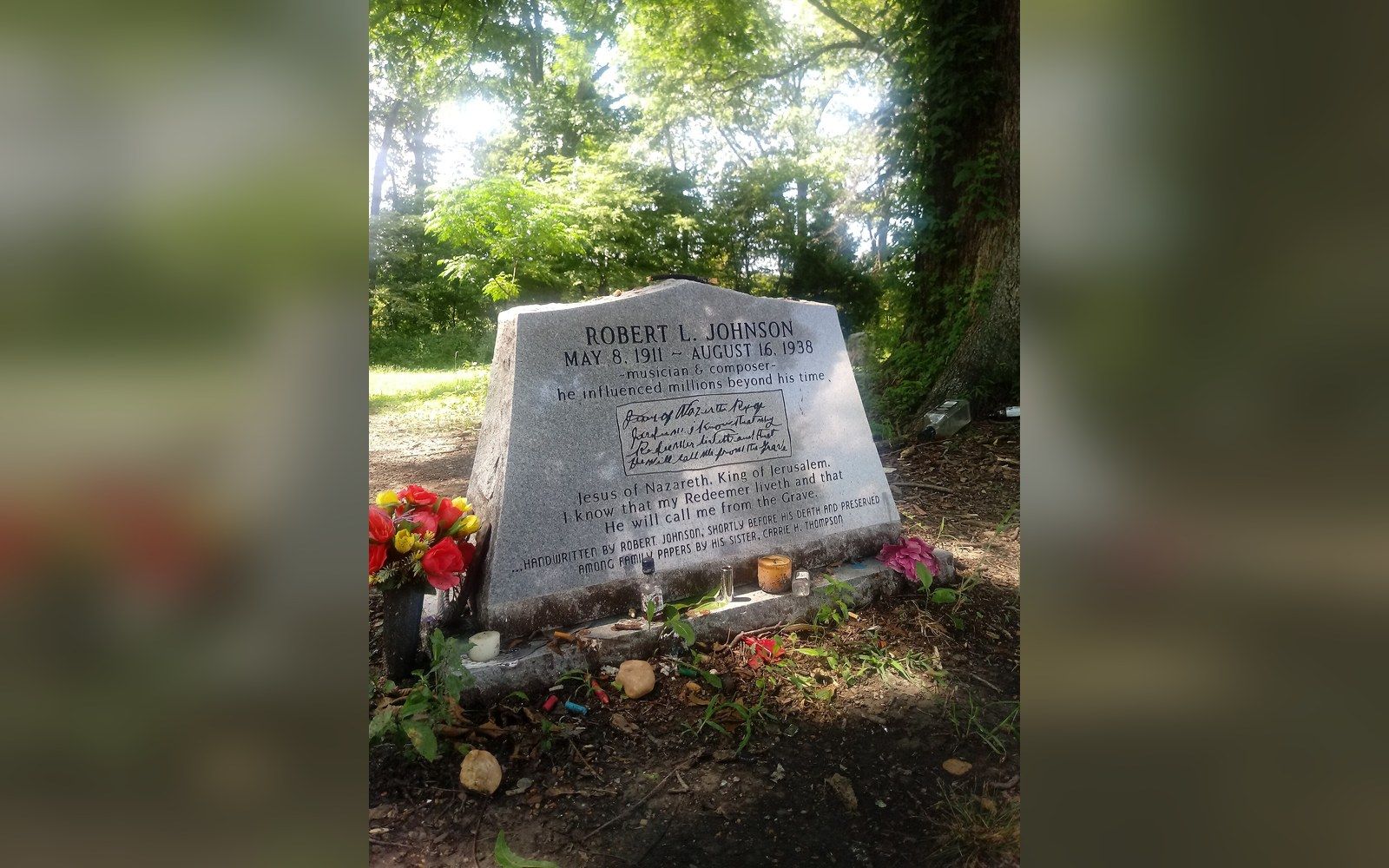
In 1930, the talent scout H.C. Speir arranged for House to travel to Grafton, Wisconsin, where Paramount Records was cutting sides in a converted factory. House recorded nine tracks in two sessions, including "Preachin' Blues" and "My Black Mama." The pressings were limited, the distribution thin, and the records sold poorly enough that Paramount did not call him back. By the mid-1930s he had relocated northward within the Delta, eventually settling around Lake Cormorant and then Robinsonville, where a younger musician named Robert Johnson turned up to listen and learn. The exact nature of their contact — how much Johnson absorbed from House specifically — belongs to the undocumented years, but House himself later described Johnson as a nuisance who could barely play when he first appeared, and a startling technician when he came back.
What House was doing between roughly 1942 and 1964 is not obscure in outline: he moved north along the Illinois Central to Rochester, New York, during the Second World War, took work outside music, and stopped recording entirely. The first era ended not with a farewell but with a silence.
The Second Era: Found in Rochester, 1964
The rediscovery followed a pattern that repeated itself several times during the folk and blues revival of the early 1960s. Researchers — in House's case, a group that included Alan Wilson, later of Canned Heat, and Dick Waterman — tracked him to Rochester through a combination of interviews with surviving Delta musicians and systematic inquiry into city directories. When they found him in 1964, House was in his early sixties and had not played seriously in years ↗. His hands needed relearning; his voice had not diminished.
He recorded for Columbia in 1965, the sessions that produced Father of Folk Blues, and he toured the college and festival circuit through the late 1960s. The performances documented from this period — at Newport, on film, in interviews — constitute the larger body of evidence most listeners know first. That is a chronological accident. The Paramount sides came earlier and are sparser; the Columbia recordings came later and are richer in documentation but were made by a man in his sixties revisiting material from his thirties.
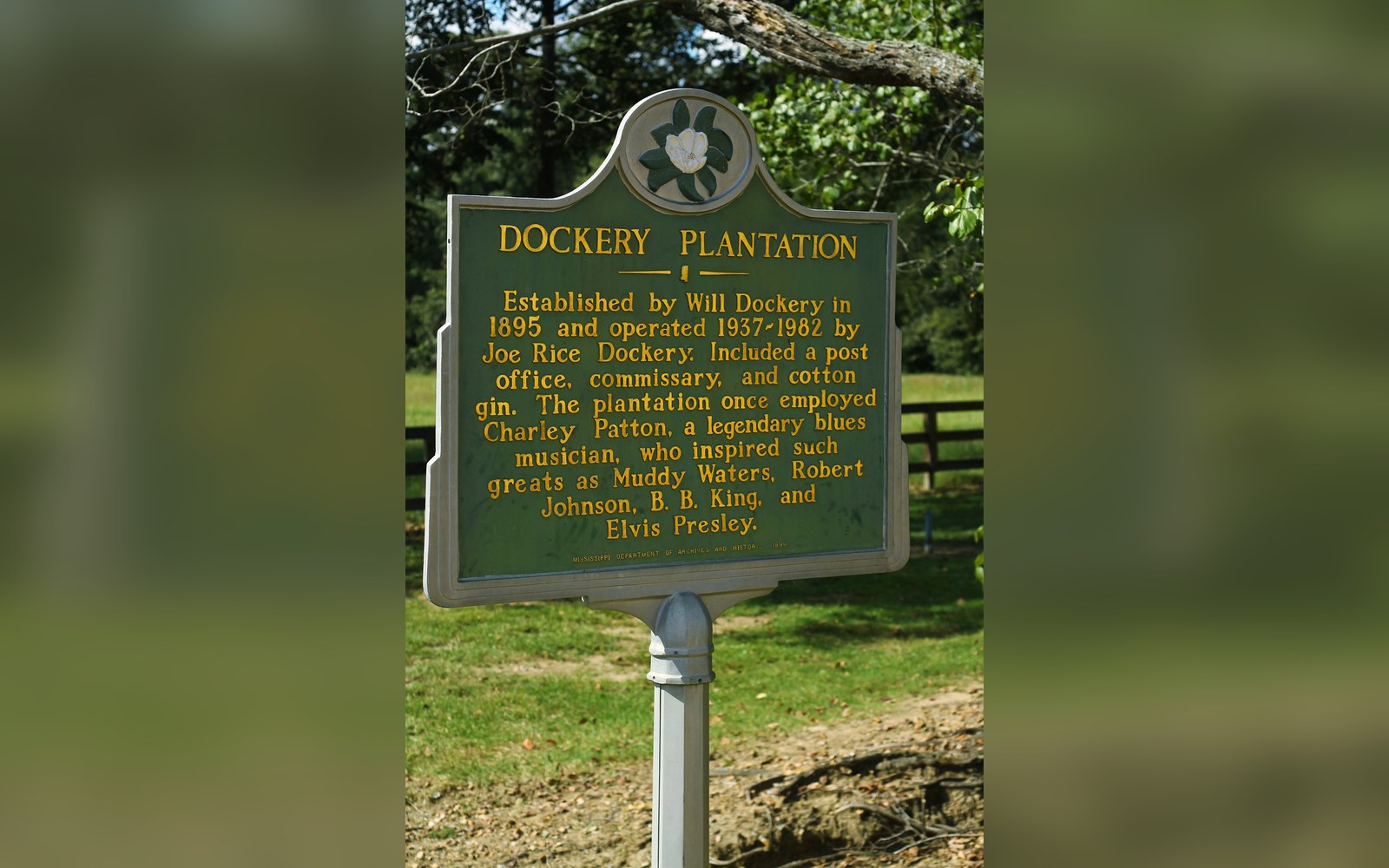
The Mississippi Blues Trail marker for Son House stands in Clarksdale, one of several Delta towns where his life left a traceable mark. Dockery Farms itself, where Charley Patton anchored the first generation of Delta recording artists, provided the environment in which House refined what he played: the Saturday-night dances, the church services that ran in parallel and in tension with them, the slide technique Patton had already developed and that House pushed toward something rawer.
Read next
- "Preachin' Blues" (Paramount, 1930)
- first era; scarce original pressings
- "My Black Mama" (Paramount, 1930)
- first era; later reworked as "Death Letter"
- Father of Folk Blues (Columbia, 1965)
- second era; the record most listeners encounter first
The two-era structure of House's career is not unusual for Delta musicians of his generation — the revival located several players who had stopped — but House's case is the clearest because the gap is so long and the evidence on both sides of it is so specific. The 1927 flood had reorganized the Delta's labour and settlement patterns before his first recordings were made; mechanisation and the Great Migration had emptied much of its population before his second. He recorded inside one Delta and was found in a northern city that the other Delta had largely built.
He recorded for Columbia in 1965, the sessions that produced Father of Folk Blues, and he toured the college and festival circuit through the late 1960s.
Elsewhere in Off Dockery

The tractor finished what the flood started
Mechanical cotton harvesting removed the labour demand that had held the population in the Delta, and the depopulation follows the machine's arrival.
Shares and Trains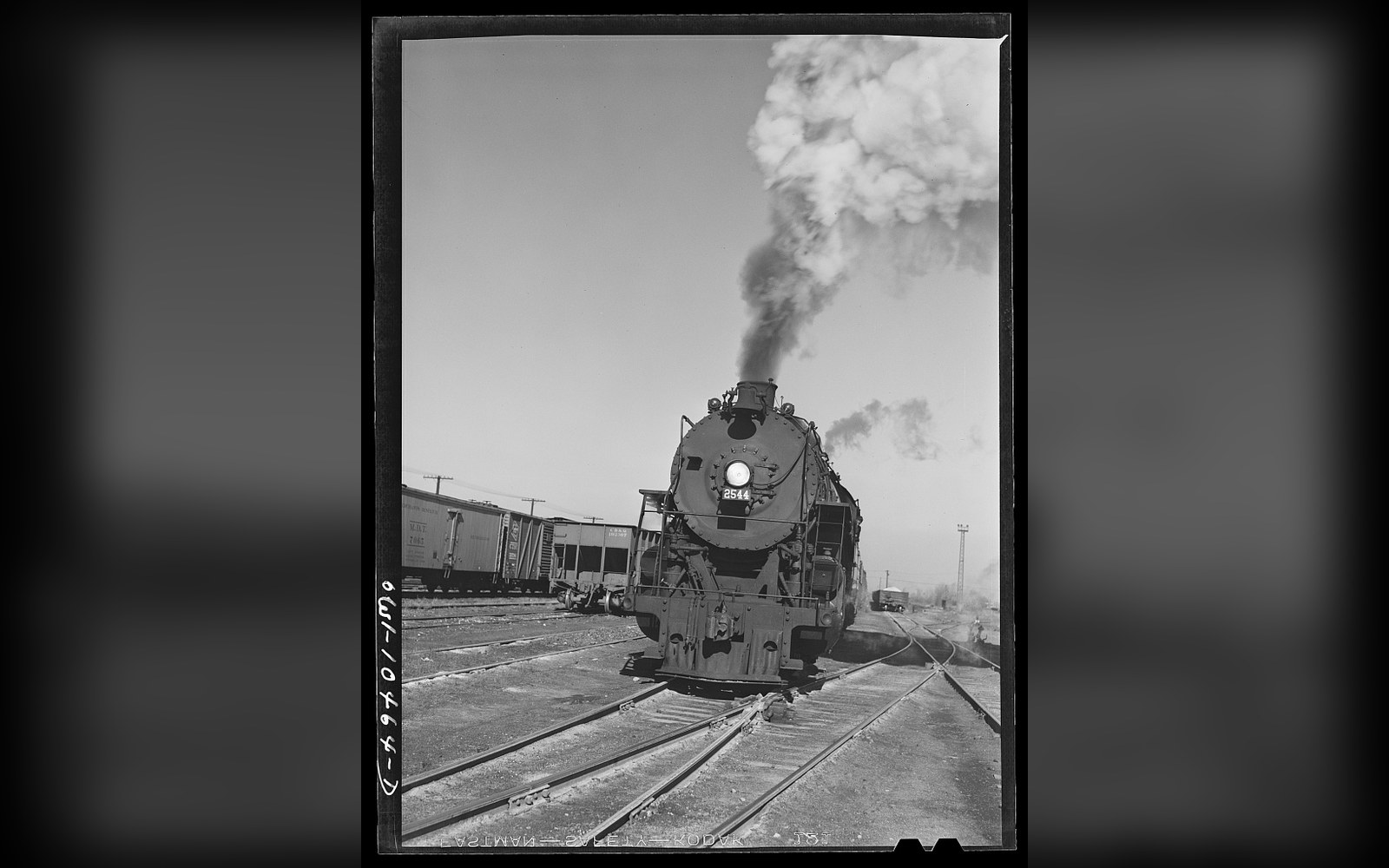
The railroads that carried it
The Illinois Central and its connections ran directly north, which is why the destination cities are the ones they served.
Shares and Trains
A town that claims a title in writing
Belzoni in Humphreys County calls itself the Catfish Capital of the World, and the claim rests on pond acreage and processing rather than on folklore.
Ponds & Plants