Dockery Farms as a place, not a parable
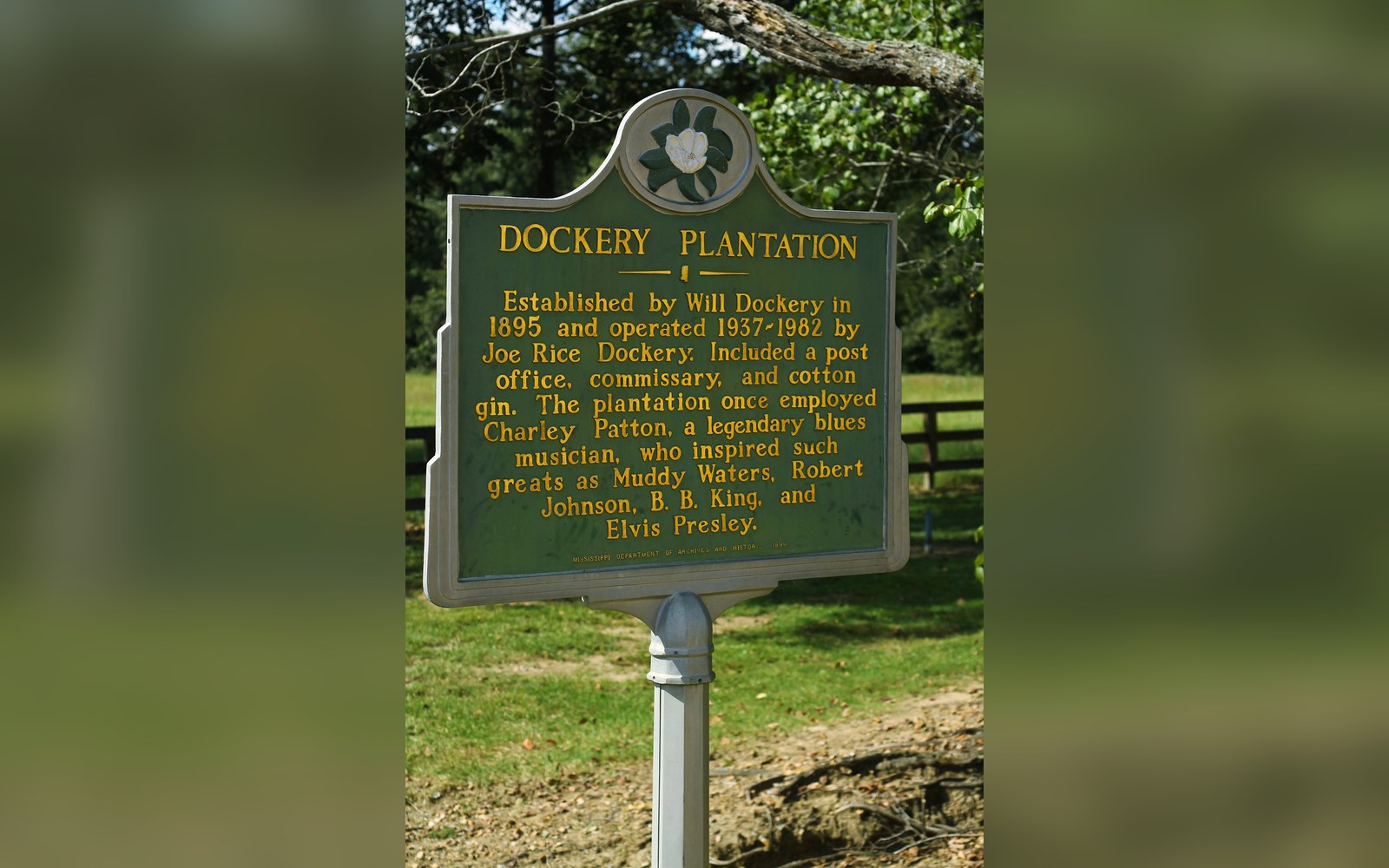
Dockery Farms sits on the highway between Cleveland and Ruleville in Sunflower County, Mississippi, at a bend in the Sunflower River. Will Dockery established it in 1895 on land that had been cleared of bottomland hardwood, and by the early twentieth century it had grown into one of the largest plantation operations in the Yazoo–Mississippi Delta — several thousand acres of cotton ground, a sawmill, a cotton gin, a commissary, a post office, and a railroad spur connecting to the Yazoo and Mississippi Valley line. That is the physical fact of it: a self-contained economic unit built on alluvial soil that the Sunflower had been depositing for centuries.
What distinguishes Dockery from comparable operations is that its labor rolls and commissary records are unusually well documented, and those records place specific people there at specific times. The site is not remembered primarily for its cotton yield or its levee work. It is remembered because Charley Patton lived and worked there for roughly two decades, because Henry Sloan — an older guitarist whom Patton credited as an influence — was also present, and because the plantation became a node through which other musicians passed. The Mississippi Blues Trail marker at the site makes this geography permanent and verifiable rather than folkloric.
The people the records place there
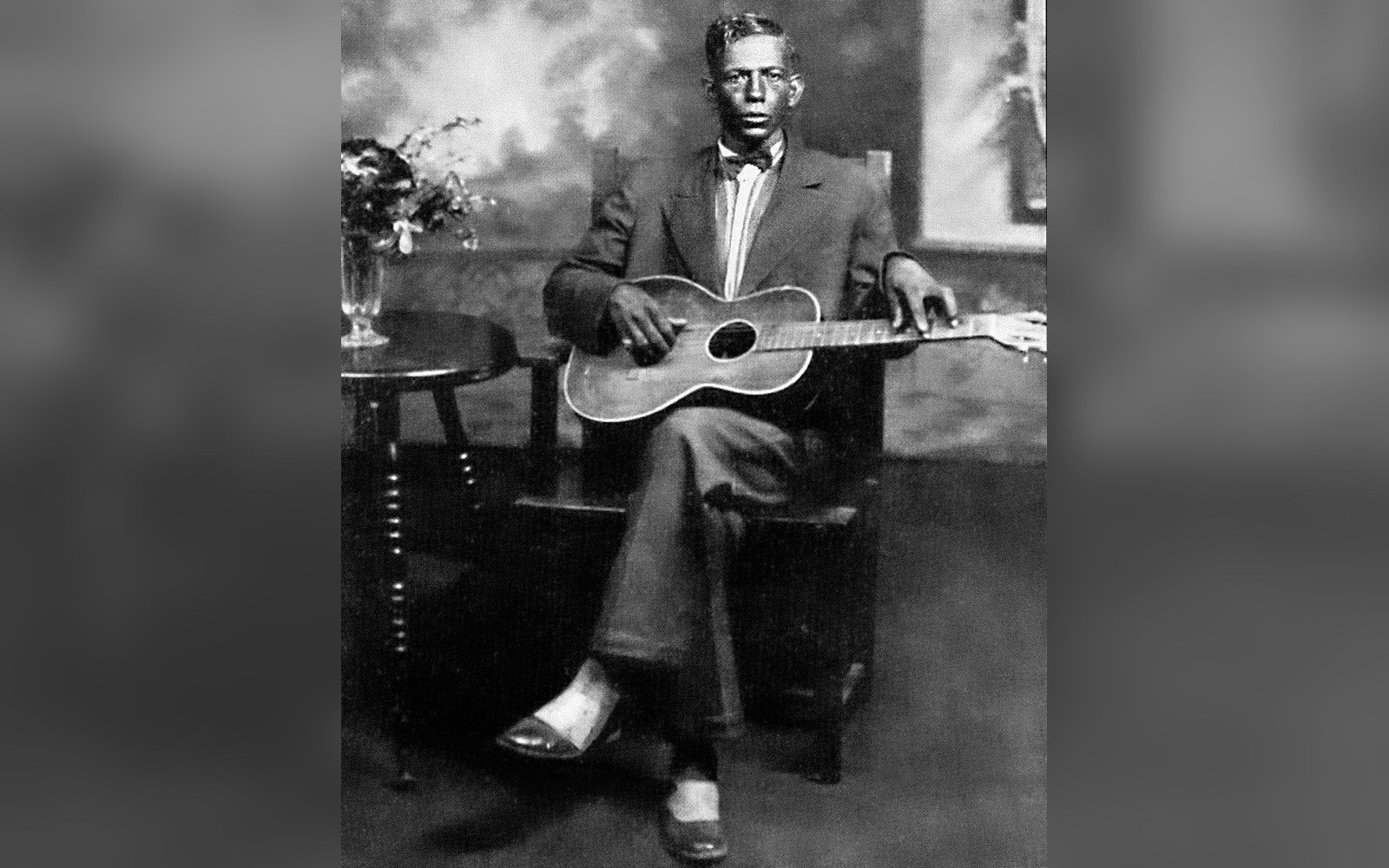
Charley Patton's connection to Dockery is not anecdote. His family moved to the plantation around 1900, when he was a child, and he remained associated with it until the late 1920s. The recordings he made for Paramount beginning in 1929 — the earliest substantial surviving body of Delta blues — were made by a man already formed. Dockery was where that formation happened. He played for the plantation workers, for dances in the surrounding area, and for anyone who came through, and the plantation's density of population — several hundred residents at its peak — meant a steady audience and a competitive environment.
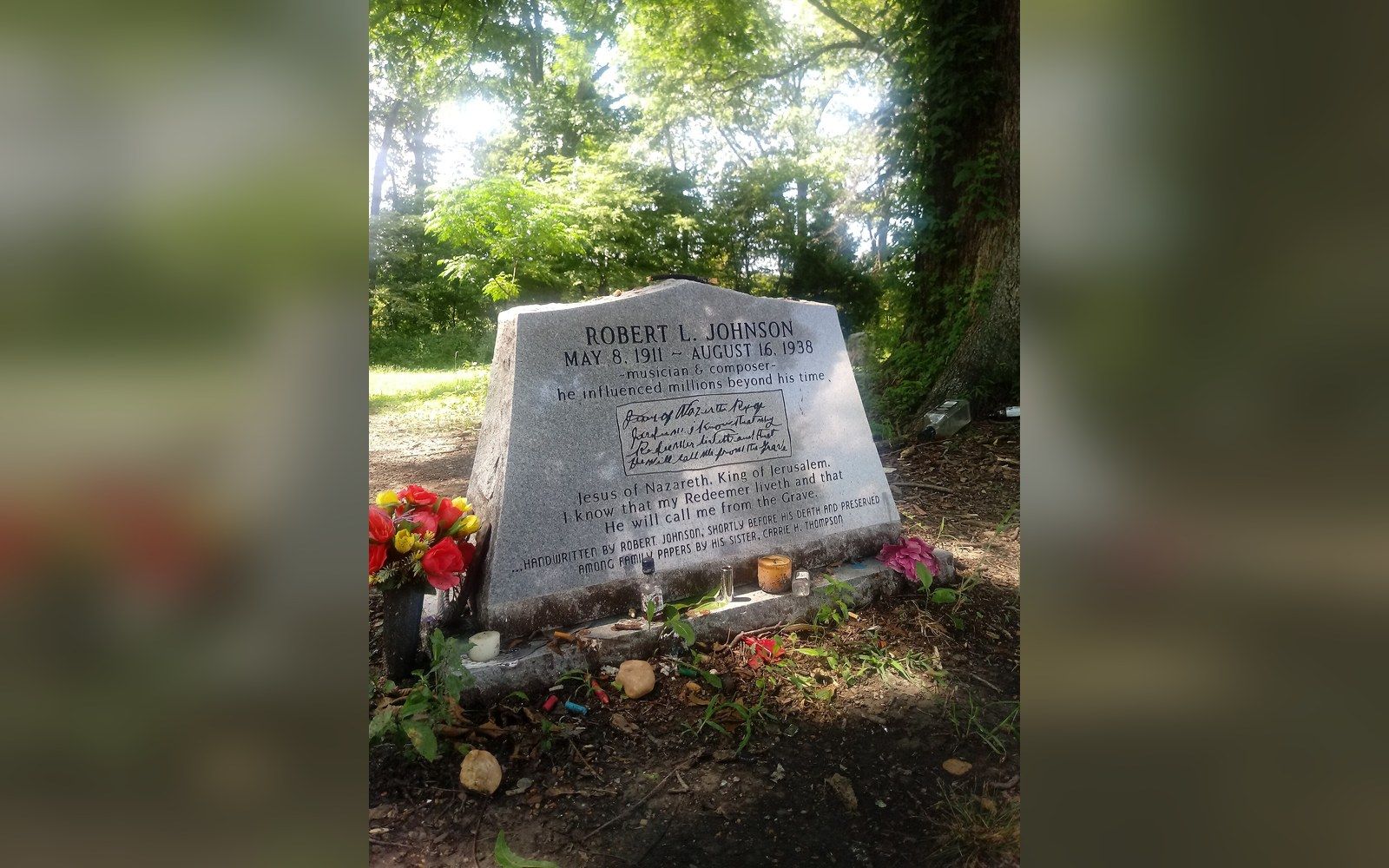
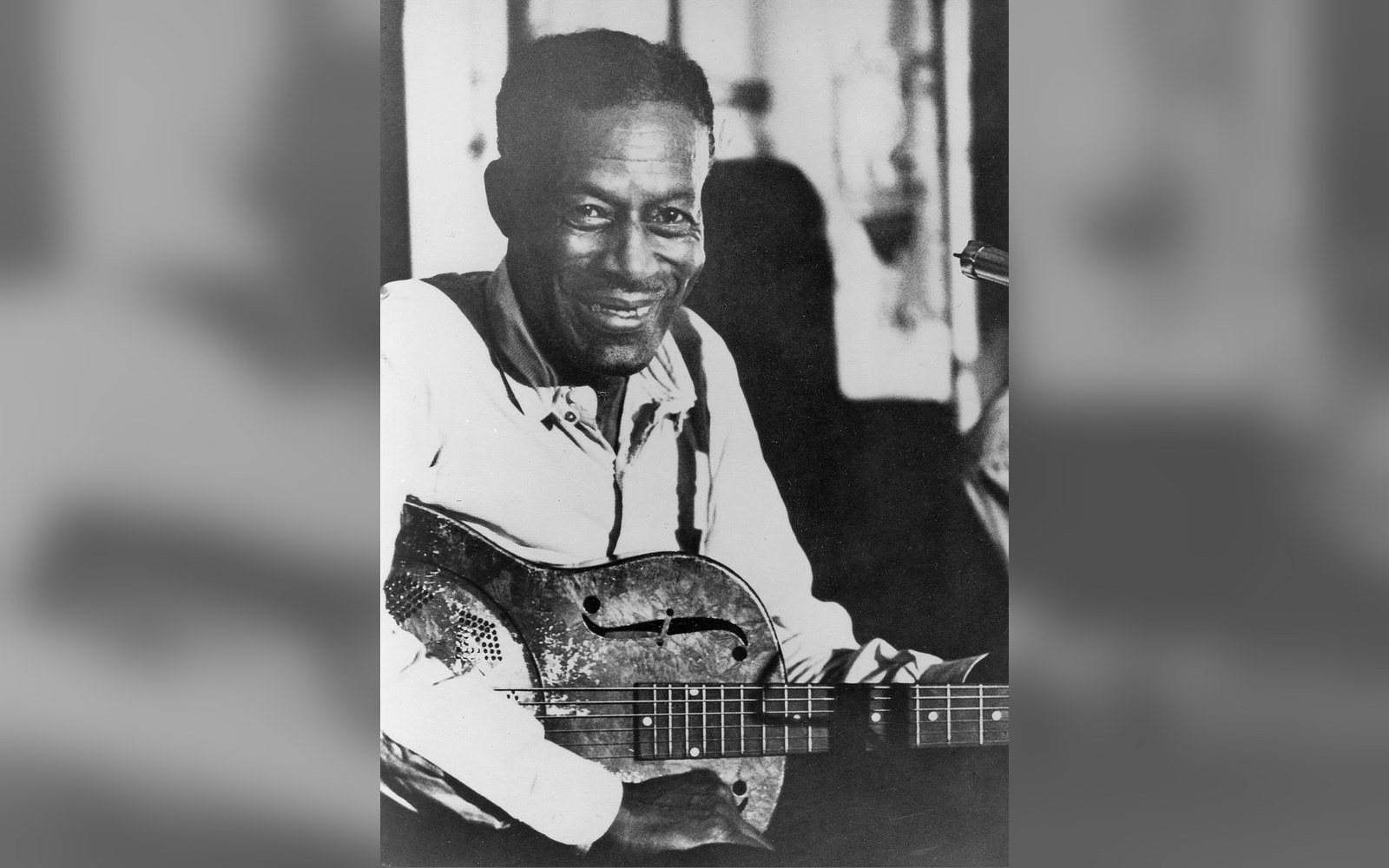
Son House arrived in the Delta in the late 1920s after living in Louisiana, and Son House encountered Patton at a performance in Lula, Mississippi, around 1930. Patton brought House to Paramount for his first recording session that same year. The connection runs through Dockery indirectly: Patton was the gravitational center, and Dockery was where that gravity had been building for decades. Robert Johnson is linked to the network through House, whom he followed and pestered for instruction — Johnson's own relationship to the plantation is less direct, but the lineage from Dockery through Patton to House to Johnson is as well-documented as such lineages get in a period when formal record-keeping of itinerant musicians was not a priority.
What the documentary record at Dockery actually shows is the ordinary machinery of Delta labor: sharecropping contracts, commissary accounts, the furnish system that advanced seed and food against the coming harvest and kept workers tied to the land through debt. Musicians were not exempt from this structure. Patton worked the plantation as a laborer and played on its margins. The recordings came later, when he was already in his thirties and forties, which means the years at Dockery were years of practice and performance without any commercial framework around them.
Read next
- Sharecropping
- cotton farmed on shares; worker debt to landlord accumulates through the season
- The furnish system
- commissary advances of seed, food and goods charged against the coming harvest; kept workers in place through obligation
- Commissary records
- plantation accounts that documented individual workers, making Dockery's labor rolls unusually verifiable
What the plantation itself was
The economics of Dockery Farms in its prime were the economics of every large Delta operation: cotton as the cash crop, the commissary as the mechanism of labor control, and the railroad spur as the connection to Greenville and the markets beyond. The Illinois Central Railroad did not run directly through Dockery, but the Yazoo and Mississippi Valley line — absorbed into the Illinois Central system in 1892 — provided the essential link. Goods moved in; cotton moved out; and people moved through, which is the condition that made the plantation a crossroads in the literal sense.
The alluvial plain that made this possible is some of the most productive agricultural soil in North America. Overbank deposition over centuries had built a deep, fine-grained profile with high organic content. The soil's depth and texture explain why planters pursued this land so aggressively after the Civil War, why the clearing of bottomland hardwood was so thorough, and why cotton cultivation here was so profitable per acre when prices held. Dockery was large even by Delta standards, and Will Dockery's son Joe Rice Dockery continued the operation through the middle of the twentieth century.
The physical structures that remained on the site — the cotton gin building, the water tower, the commissary — were placed on the National Register of Historic Places ↗ in 2005. That designation matters for the question of evidence: the buildings are primary sources, not reconstructions. They mark an operation that was still functioning well into the era of mechanical cotton harvesting, which is what ultimately undid the labor-intensive sharecropping model across the Delta.
Why location matters more than legend
The Delta blues has accumulated a body of mythology disproportionate to the number of recordings made and the number of musicians involved. Robert Johnson's supposed crossroads deal belongs to this mythology; so does the idea of an isolated, spontaneously generated folk form. Neither survives contact with the actual geography. The musicians who shaped the early Delta blues were concentrated in a relatively small area, they knew one another, they competed and learned from one another, and they moved along identifiable routes between plantations, juke joints, and towns.
Dockery is valuable precisely because it anchors this network to a specific place with specific documents. The Mississippi Blues Trail marker at the site reads as a historical claim, not a promotional one, because the evidence supports it. Charley Patton was there. The plantation's records confirm the labor arrangements under which he lived. Other musicians passed through or were connected to those who did. That is enough to make Dockery a location in the historical sense — a place where documented things happened to documented people — rather than a site whose significance rests on reputation alone.
The Sunflower River still runs at the edge of the property. The Sunflower's drainage feeds into the Yazoo, and the Yazoo feeds into the Mississippi at Vicksburg. The river system that made the alluvial plain also made the plantation possible, and the plantation made the density of population that produced the music. That chain of cause and effect does not require embellishment.
The alluvial plain that made this possible is some of the most productive agricultural soil in North America.
Elsewhere in Off Dockery
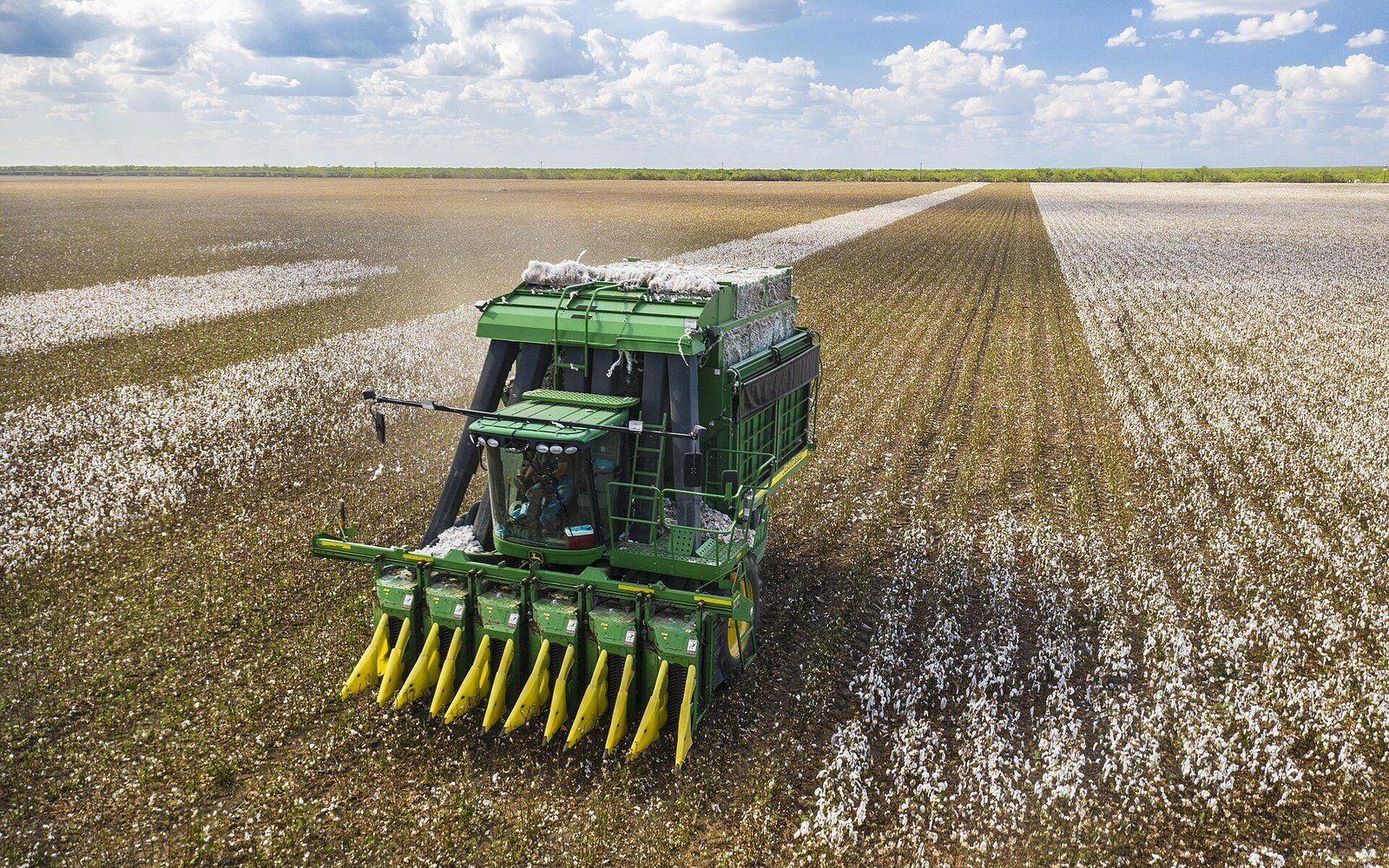
The tractor finished what the flood started
Mechanical cotton harvesting removed the labour demand that had held the population in the Delta, and the depopulation follows the machine's arrival.
Shares and Trains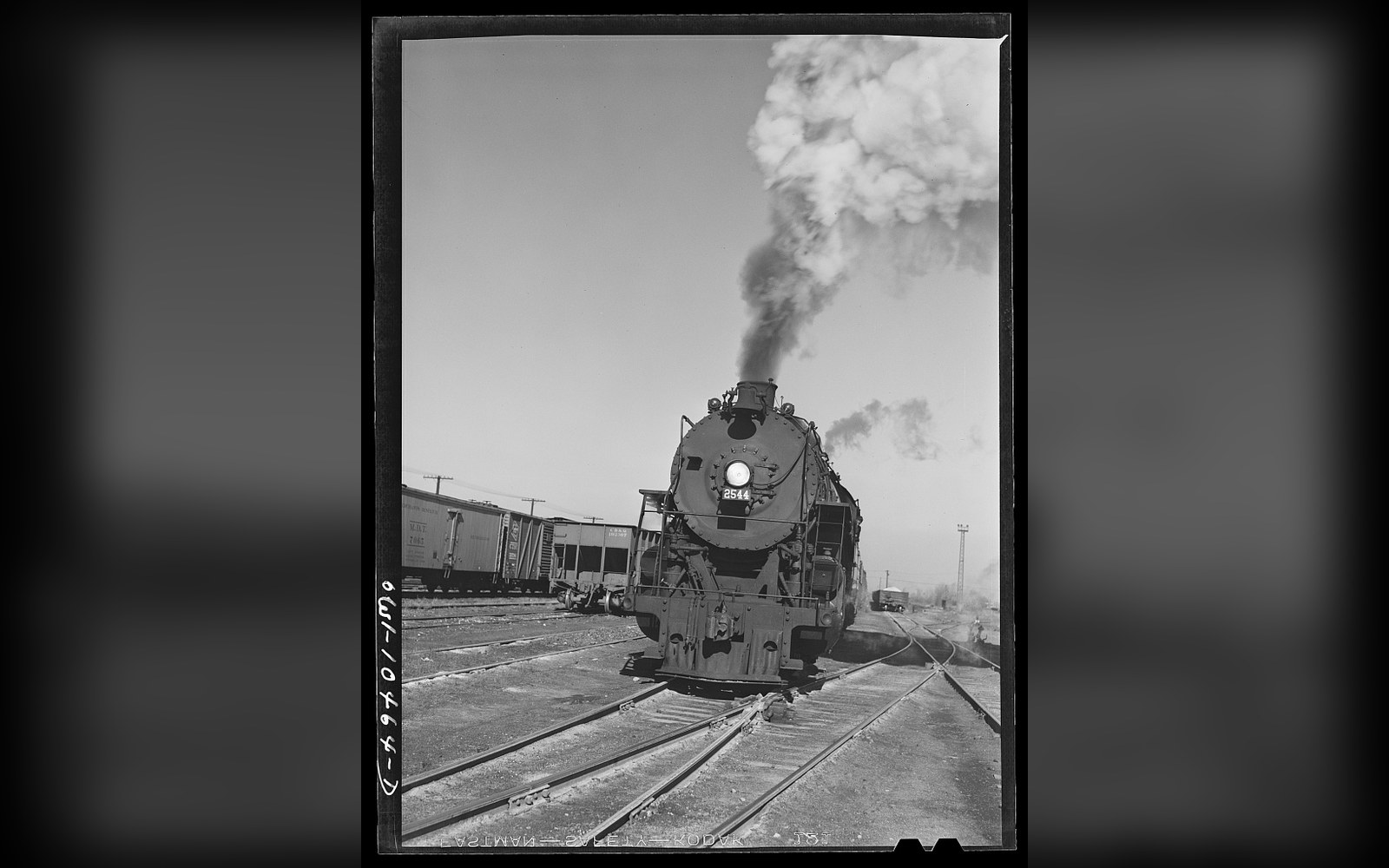
The railroads that carried it
The Illinois Central and its connections ran directly north, which is why the destination cities are the ones they served.
Shares and Trains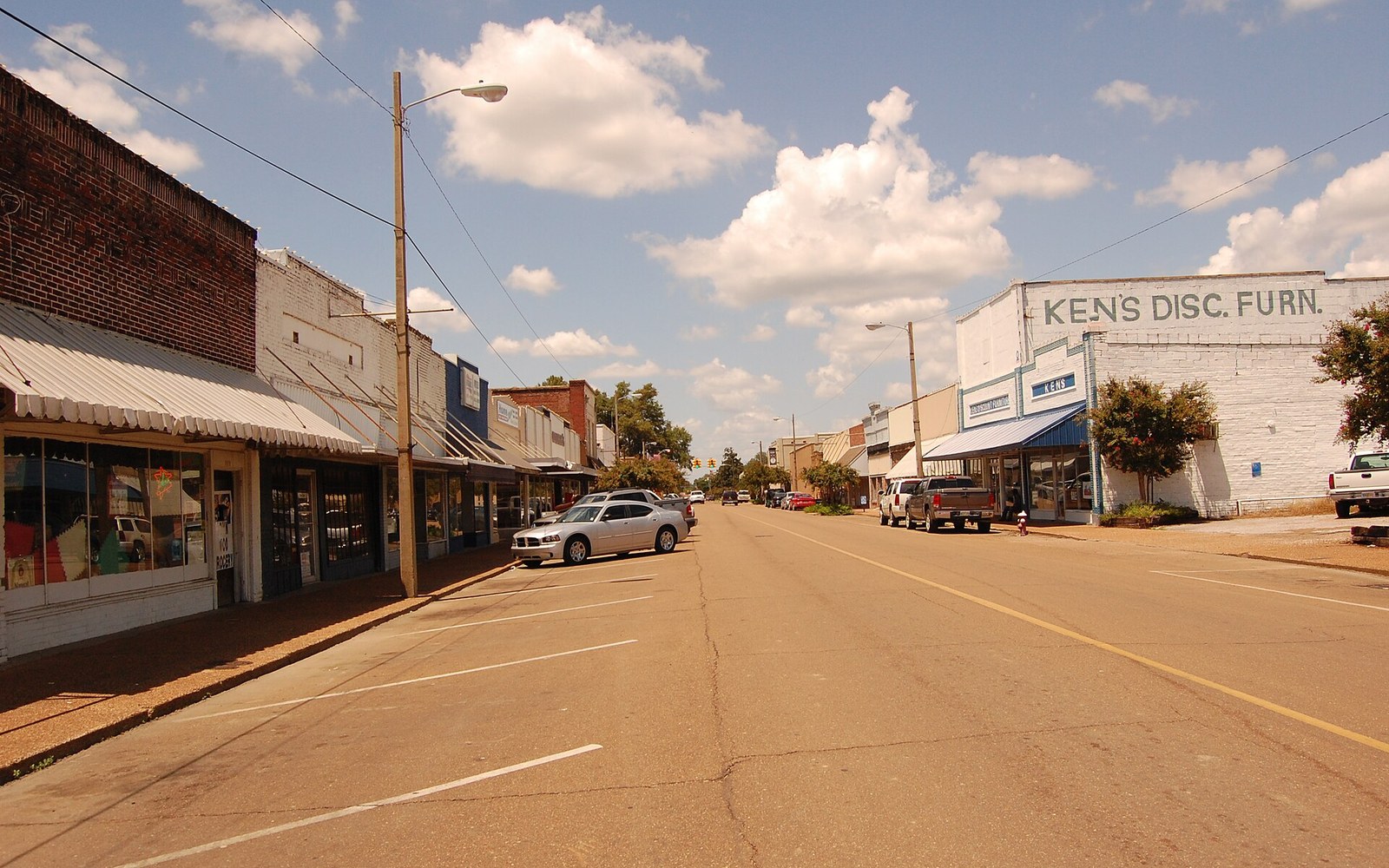
A town that claims a title in writing
Belzoni in Humphreys County calls itself the Catfish Capital of the World, and the claim rests on pond acreage and processing rather than on folklore.
Ponds & Plants